Early demographic development in the Helsinki region
It is not possible to provide accurate information about the population of Helsinki, or even that of Finland as a whole, before the 19th century, as population statistics were not very comprehensive at the time. Roughly speaking, the further back we go in history, the harder it is to find accurate figures. However, it is known that people have been moving to the region throughout Helsinki’s settlement history, and the size and structure of the population have changed as a result. In pre-industrial times, the main factors affecting demographic development were epidemics, famines and wars, in addition to attraction factors.
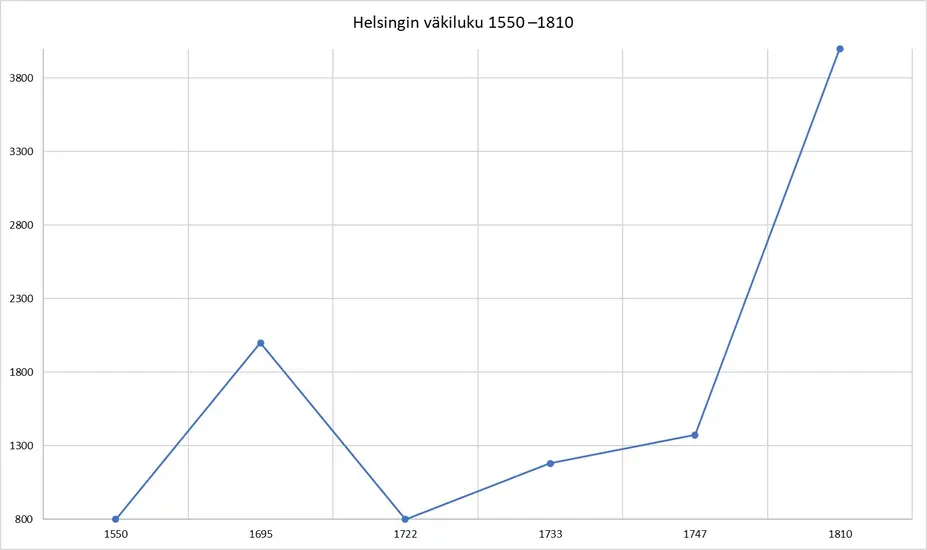
In the Middle Ages, the Helsinki region and its surroundings were home to a few thousand people at the most. The City of Helsinki was founded in 1550, but because Helsinki lacked an old trading tradition, members of the bourgeoisie were ordered to move to Helsinki from Porvoo, Tammisaari, Rauma and Ulvila. Traders from regions such as Germany and the Netherlands were also attracted to move to the new city. Despite this, the population did not grow very much; in the 16th century, the small city was inhabited by about 800 people. In the early days of its city status, Helsinki was not quite as successful as hoped as a trading centre and a competitor to Tallinn, a fact reflected in the slow population growth as well.
The event that most affected the population in the 17th century was the famine of 1695–1697, the great years of death. At the time, around 14% of the city’s population, which had grown from the medieval small town days of Helsinki to around 2,000 people, died. Although the population recovered somewhat from the famine, the plague of 1710 resulted in the death of many more. The Great Northern War (1700–1721) also had a negative impact on the demographic development. By 1722, the population had fallen again to around 800.
In the 18th century, the population was most clearly affected by the construction of Viapori. Although many of the construction workers were soldiers and forced labourers from elsewhere, the construction of the fortress nevertheless stimulated life in the city, especially commerce. At its best, Viapori had between 6,000 and 8,000 builders, which exceeded the population of Helsinki at the time – when construction began in 1747, the city’s population was only roughly 1,375 people. However, this number as much as tripled during the construction work. In any case, Helsinki remained a relatively small city until the beginning of Finland’s time of autonomy.
Demographic trends from the 19th century to the 1950s
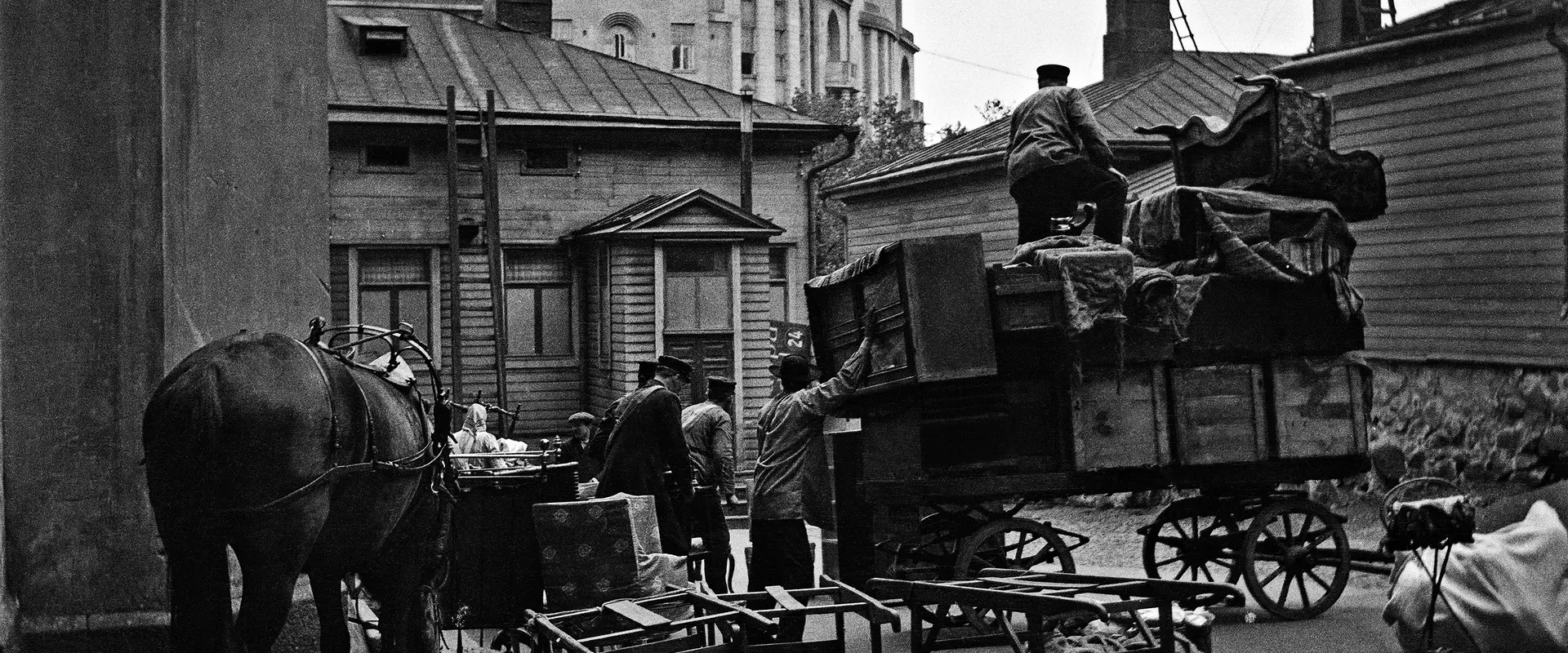
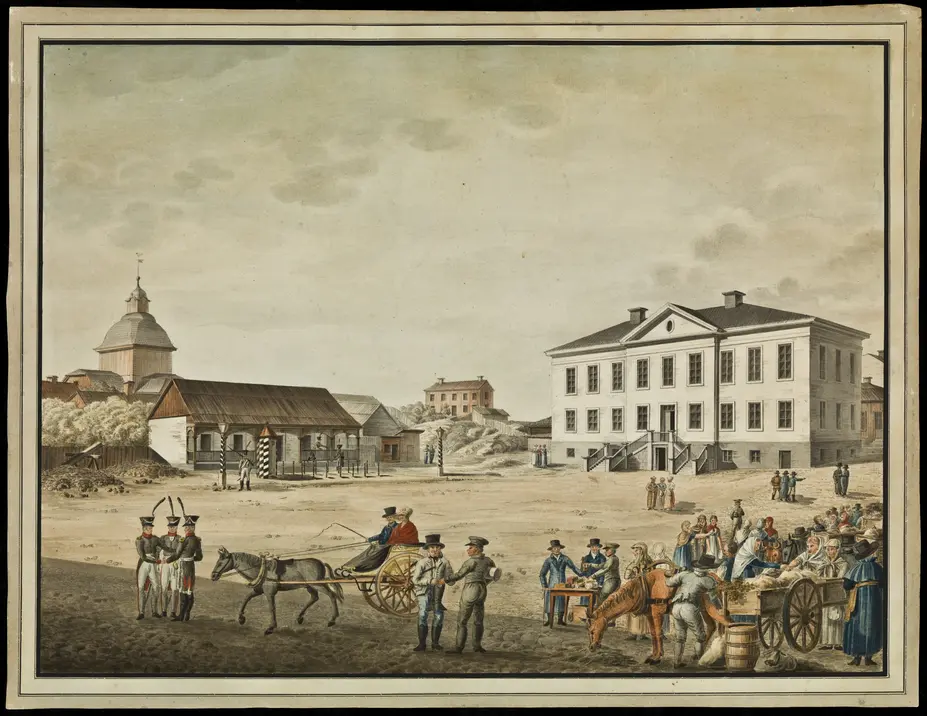
In 1812, Helsinki was named the capital city of the Grand Duchy of Finland. In 1810, Helsinki still had only around 4,000 residents, but its status as the capital city changed its position completely. The city became not only a military base and trading centre, but also the cultural and scientific centre of the country. As a result, an increasingly wider range of workers began to move to Helsinki in need of living space and services.
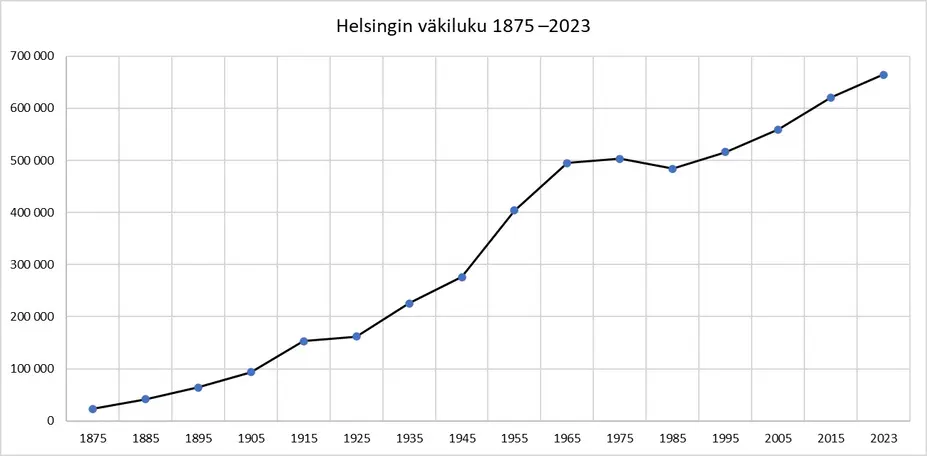
Helsinki’s population growth accelerated strongly in the second half of the 19th century, when industrialisation began to attract a large number of young people from the countryside to cities. Between 1875 and 1900, the population of Helsinki more than tripled from just over 23,000 to almost 80,000, eventually exceeding 100,000 in the early years of the 20th century. By 1915, Helsinki already had over 150,000 residents. At the beginning of Finland’s independence, people would move to Helsinki mainly from Uusimaa, but by the middle of the century, the migration area had expanded to include the counties of Vyborg, Häme, Turku and Pori.
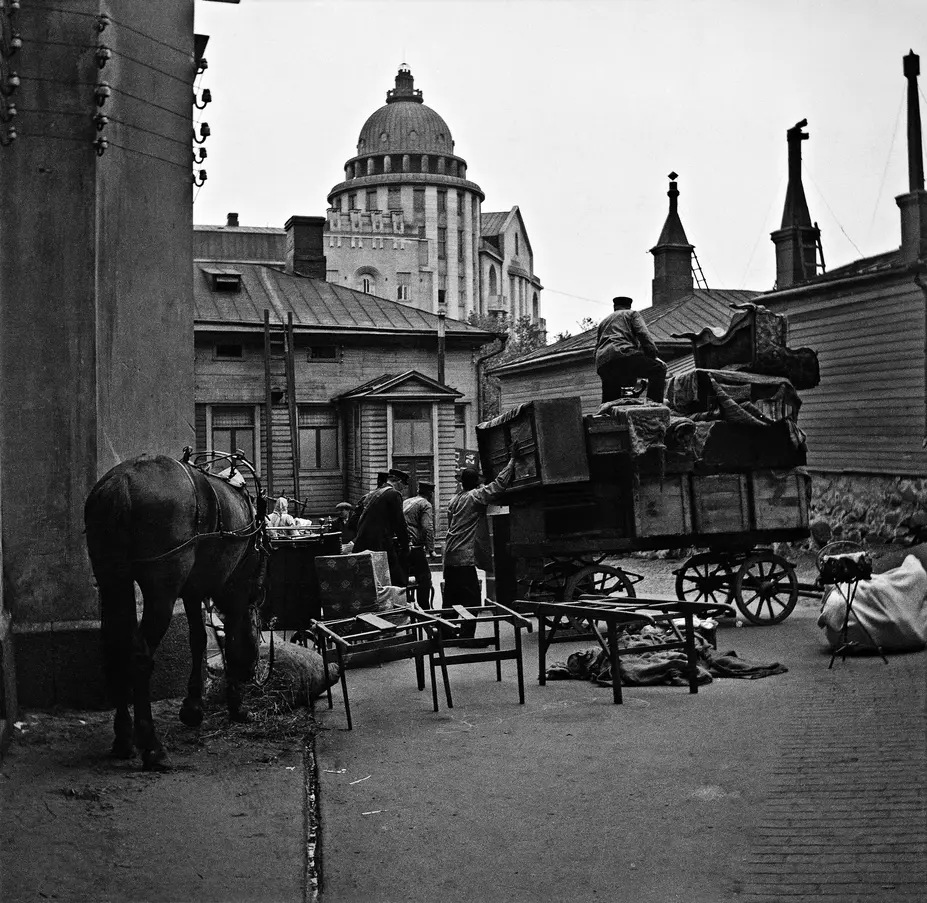
Migration to Helsinki continued to be strong throughout the period between the World Wars, with the exception of the years of wars and crises before and after Finland’s independence. The boom of the 1920s boosted Helsinki’s population growth: the city’s population exceeded 160,000 in 1925 and reached 200,000 five years later. By 1940, the population of Helsinki had increased to 250,000, and not even the Winter War and Continuation War years would halt the population growth. In 1945, Helsinki had over 276,000 residents.
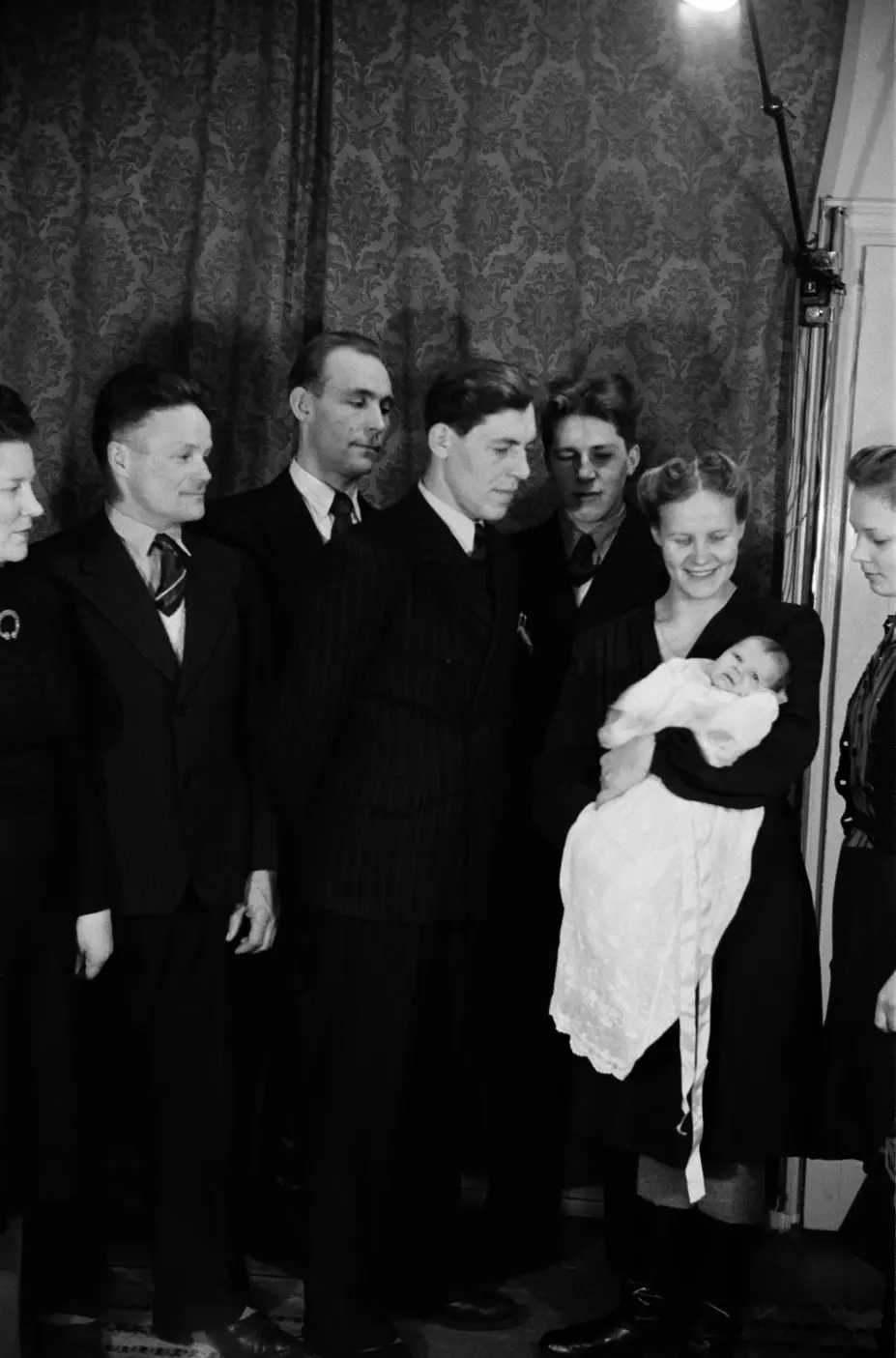
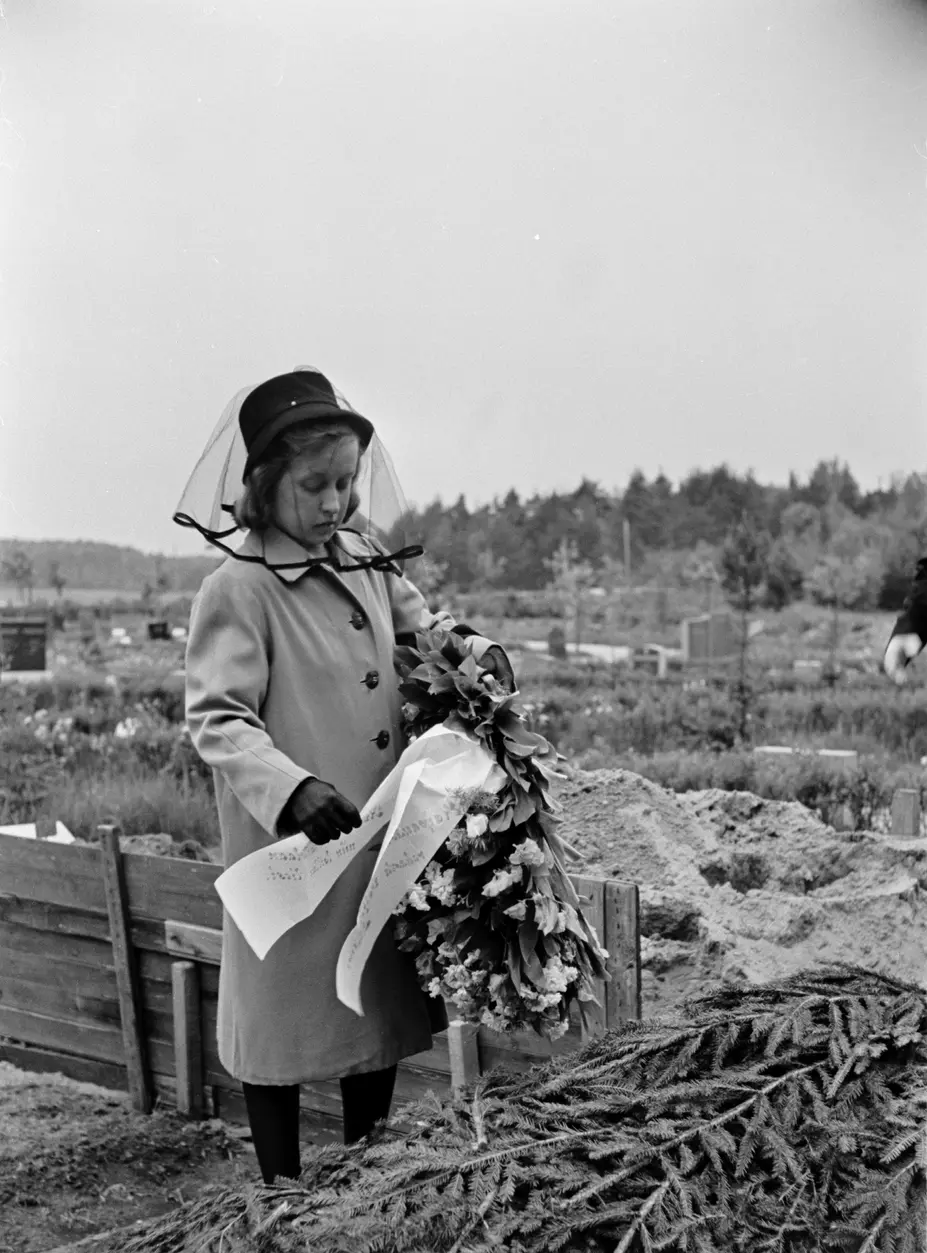
After the wars, a large number of jobseekers from rural areas and other towns moved to Helsinki, as did immigrants from the ceded territories. The great annexation of 1946 brought much-needed land to Helsinki, which was suffering from a severe housing shortage, but also 51,000 new residents. Thus, in the second half of the 1940s, Helsinki’s population increased by more than a third, bringing it to over 368,000 residents in 1950.
Demographic trends from the structural change to the 21st century
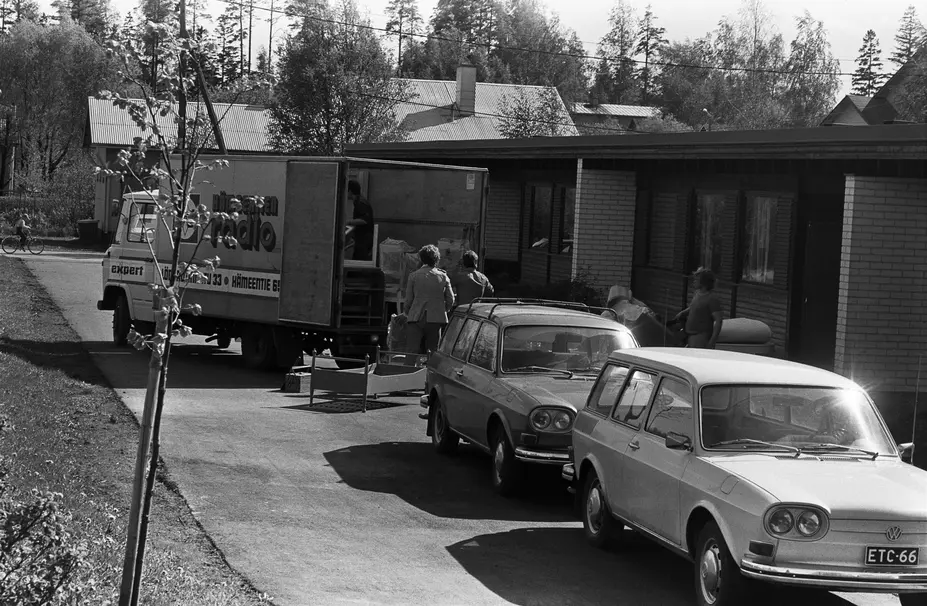
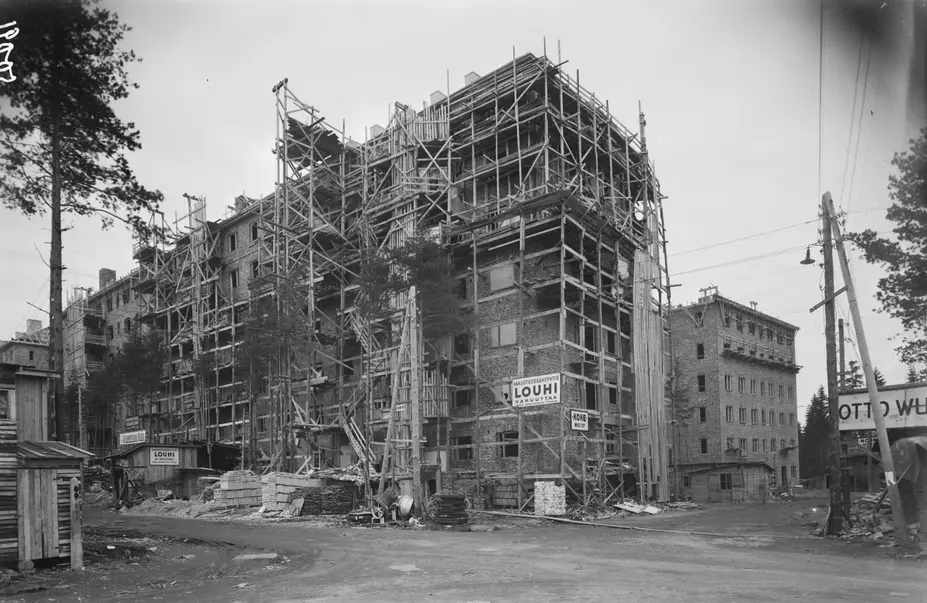
In the 1950s and 1960s, Finland experienced an exceptionally rapid and dramatic structural change by European standards, as the country moved from an agricultural society to a service society seemingly almost overnight. As the result of a change in the economic structure, the country’s urban population grew from one million in the war years to two million in the mid-1960s. Helsinki and Uusimaa received most of the migration and settled the newcomers mainly in new suburbs. In 1966, the capital’s chronic shortage of housing plots was alleviated by a new annexed area, Vuosaari.
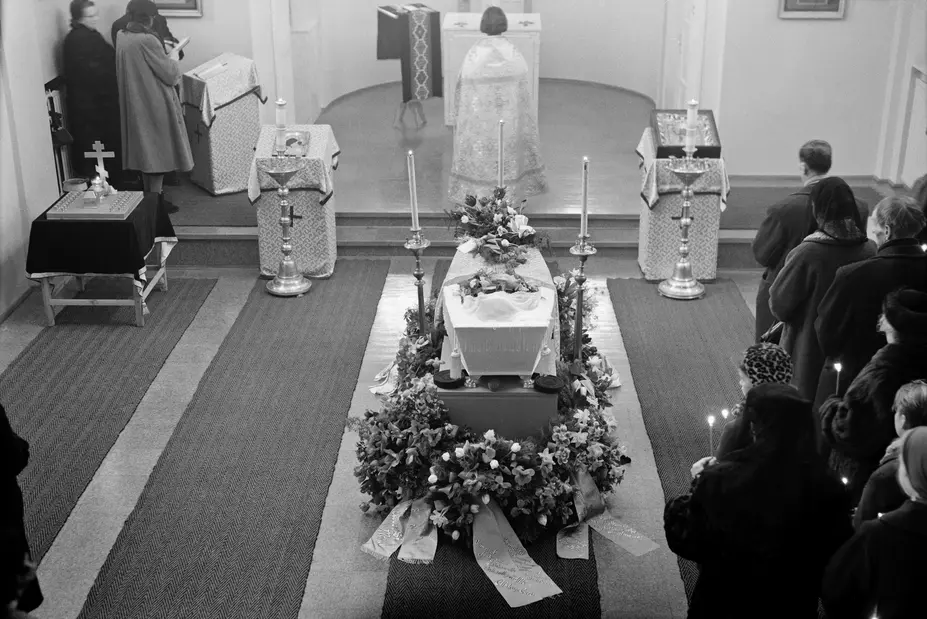
Helsinki passed the half-million resident mark in the second half of the 1960s, but at the same time, the population in the centre of Helsinki had begun to decline, contrary to forecasts. People began to move from other parts of Helsinki to neighbouring municipalities, especially Espoo, Vantaa and Kauniainen, and in the second half of the 1970s, the city’s population fell to slightly under half a million. There were not enough homes for the baby boomers born after the wars in Helsinki, nor were there enough jobs in the recession caused by the oil crisis. In addition to the neighbouring municipalities, people from Helsinki – and the rest of Finland – would also move to Sweden, which was suffering from a labour shortage and attracted people with high wages.
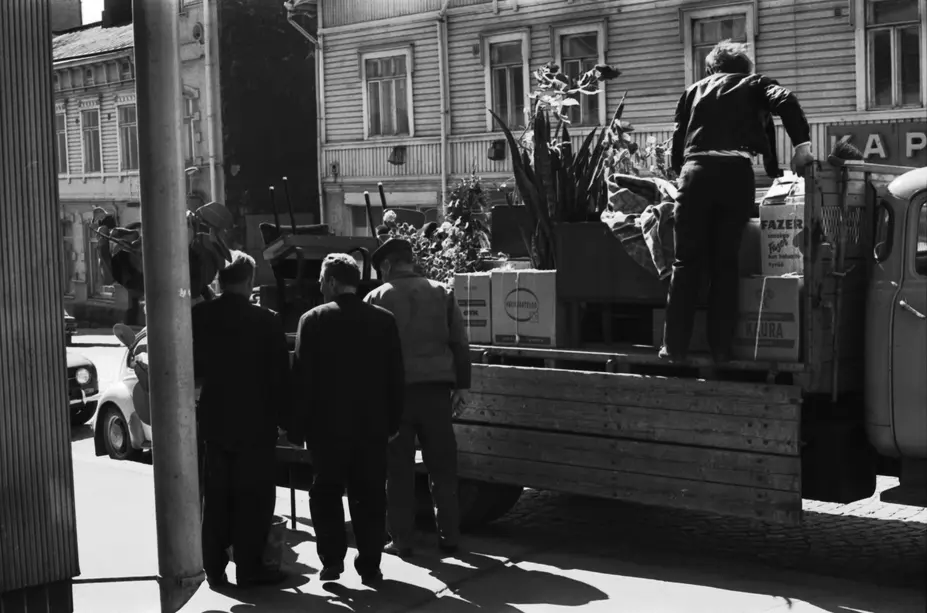
In the 1980s, people would move from Helsinki to other parts of Uusimaa. One factor pushing people away were the City’s principles of housing planning, especially in the inner city, which drove families with children to seek cheaper and more spacious housing elsewhere. The city’s age structure changed and the population aged as people of working and childbearing age moved out and the average life expectancy increased. A similar trend can be observed in other Nordic capitals between 1950 and 1987.
Inward and outward migration in Helsinki started to level off in the late 1980s, but the recession of the early 1990s and the collapse of the housing market slowed down the city’s population growth for a few years. In 1993, the city’s population again exceeded half a million, where it has remained since.
At the beginning of the 21st century, Helsinki again suffered from a migration deficit for several years, which was caused by the so-called Nurmijärvi phenomenon, i.e. families with children in particular moving to less crowded residential areas with small houses in the surrounding municipalities. This fragmentation or dispersal of the urban structure has also been seen as problematic, e.g. for transport-related reasons.
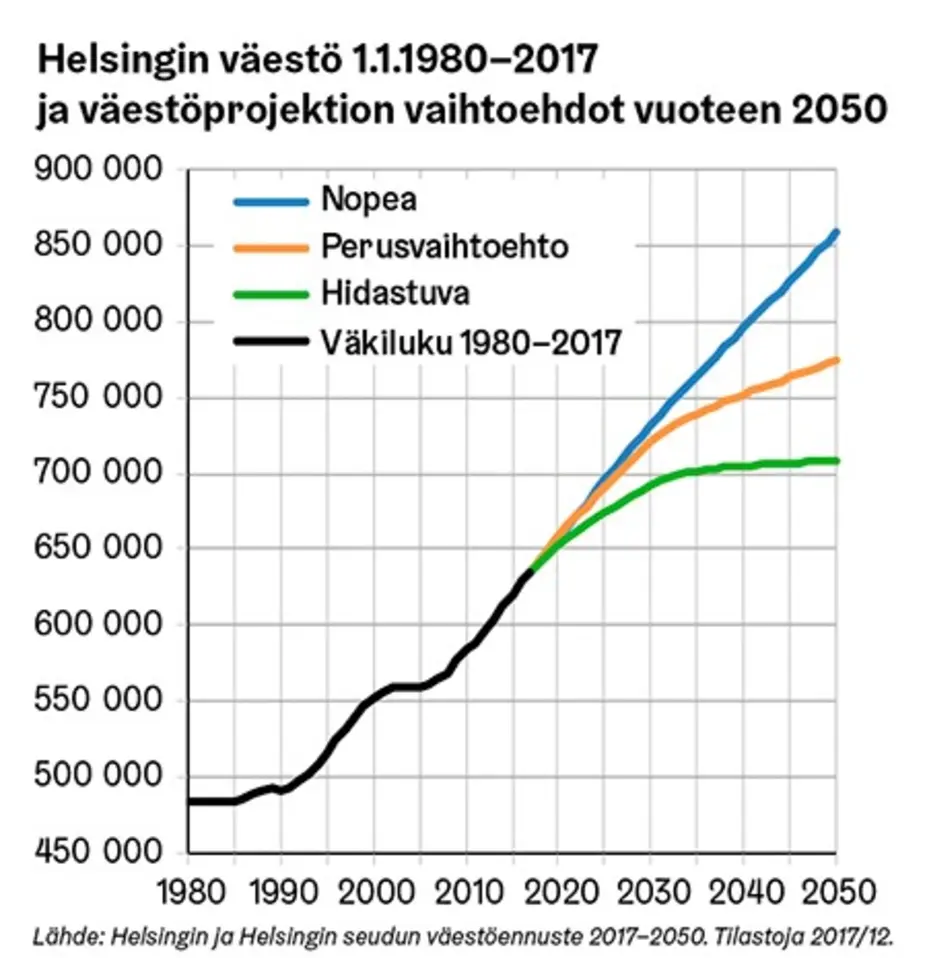
The Nurmijärvi phenomenon faded as the 2008 financial crisis – unemployment and stricter loan-granting criteria – reduced people’s desire to move. In the 2010s, the annual population growth in Helsinki was between 7,500 and 8,000 people, and in 2019 the city had more than 650,000 residents.
In 2050, Helsinki is projected to have 775,000 residents, although annual population growth is expected to slow down to around 6,000 in 2025. This would be due to an increase in mortality and a slight increase in the migration deficit.