Yearning for tourists and summer concerts
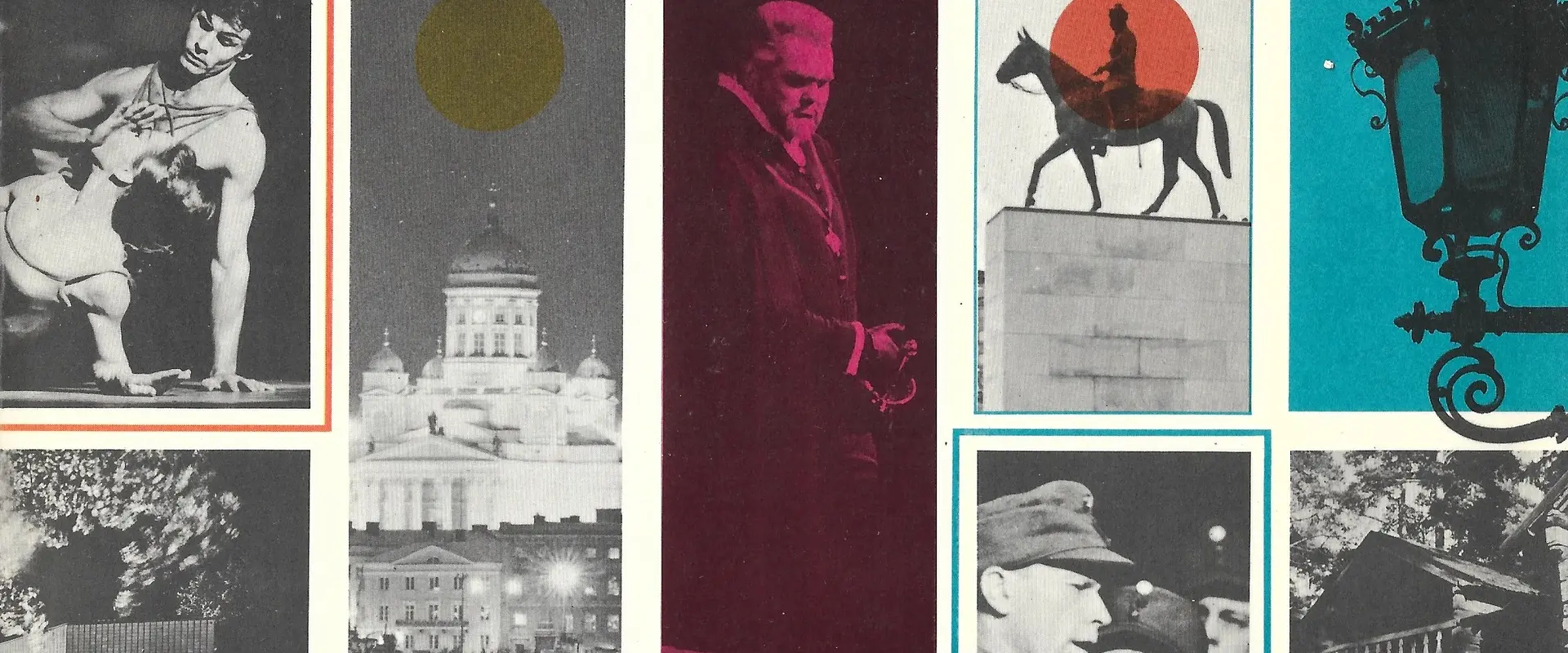
After the Second World War, summer festivals had been established or were in the process of being established across Europe, the most famous being those in Edinburgh, Salzburg and Avignon. According to the Sibelius Week planners, they attracted tourists and were a major source of income for the host country and city. In addition to tourism, festivals contributed to a positive image of the country and helped the its composers break into the public consciousness.
On 28 December 1949, the Helsinki Sports and Recreation Committee proposed that a special Sibelius Week should also be organised in Helsinki during the summer to “try to revitalise tourist traffic in our country and especially in Helsinki.” The initiative was the brainchild of Eero Koroma, Helsinki’s recreation officer, who joined Sibelius Week as its executive director for fifteen years. Koroma’s aim was to make Helsinki more attractive as a tourist city, and the music of Jean Sibelius would be well suited for this purpose.
In February 1950, the City Board set up a Sibelius Week Advisory Committee, which prepared a detailed plan for the content and timing of the festival. The festival in Helsinki was aimed at enlivening the mid-June period with concerts, as the period was very quiet in terms of tourists and art institutions, despite the light summer nights. This was combined with the ambitious idea of an event that would attract foreign tourists.
Helsinki brands itself as a music city
At the end of 1950, the City established a Sibelius Week Foundation with the aim of “making Finnish musical life known to both domestic and foreign audiences by organising musical events in the city of Helsinki.” In addition to the City of Helsinki and the Finnish Broadcasting Company, several music and tourism organisations were represented in the Foundation.
The establishment of Sibelius Week meant that Helsinki began to create an image of itself as a city of music. This brand was backed by the City’s maintenance of the only full symphony orchestra in Finland, the Helsinki Philharmonic Orchestra (HKO). Throughout the 1950s, Nils-Eric Ringbom, the general manager of HKO, served as the artistic director of the festival.
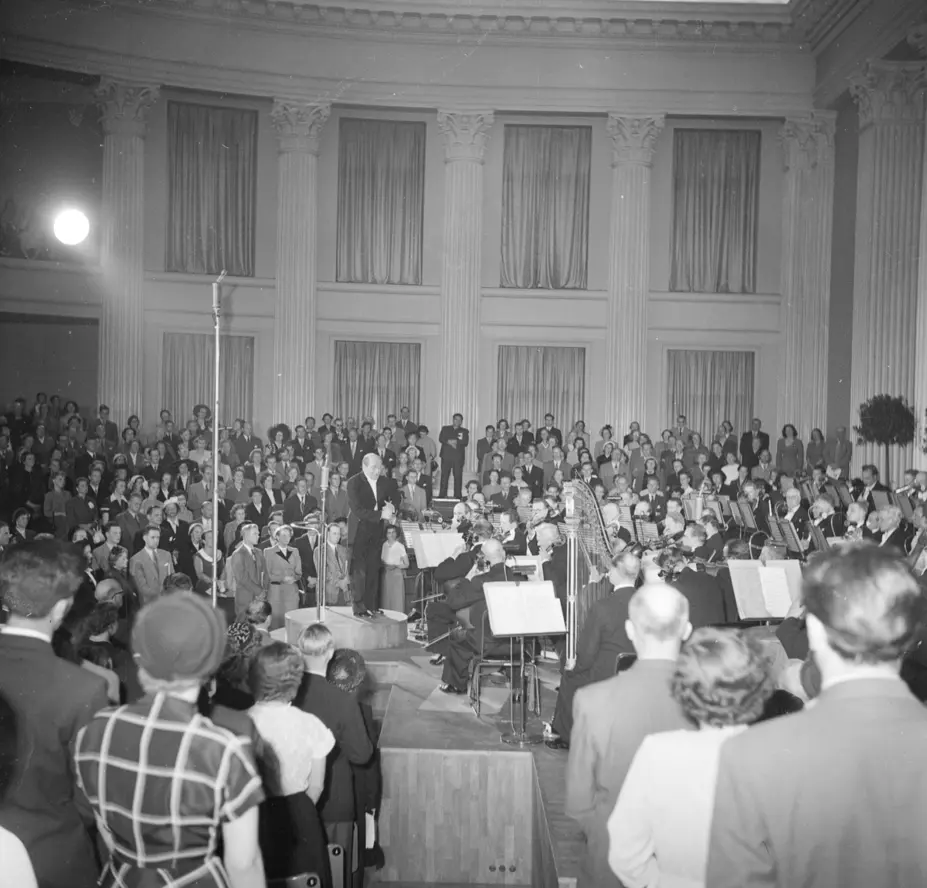
The festival was organised in part by the Finnish Broadcasting Company, which in those years expanded its Radio Orchestra into a full Finnish Radio Symphony Orchestra (RSO). The basic idea behind Sibelius Week was that HKO and RSO were obliged to play Sibelius’s world-famous music at the festival. World-class conductors and soloists would be invited to perform, and radio broadcasts of the concerts would be sold for the whole world to hear through foreign radio companies. The annual financial losses were shared by the City and the state.
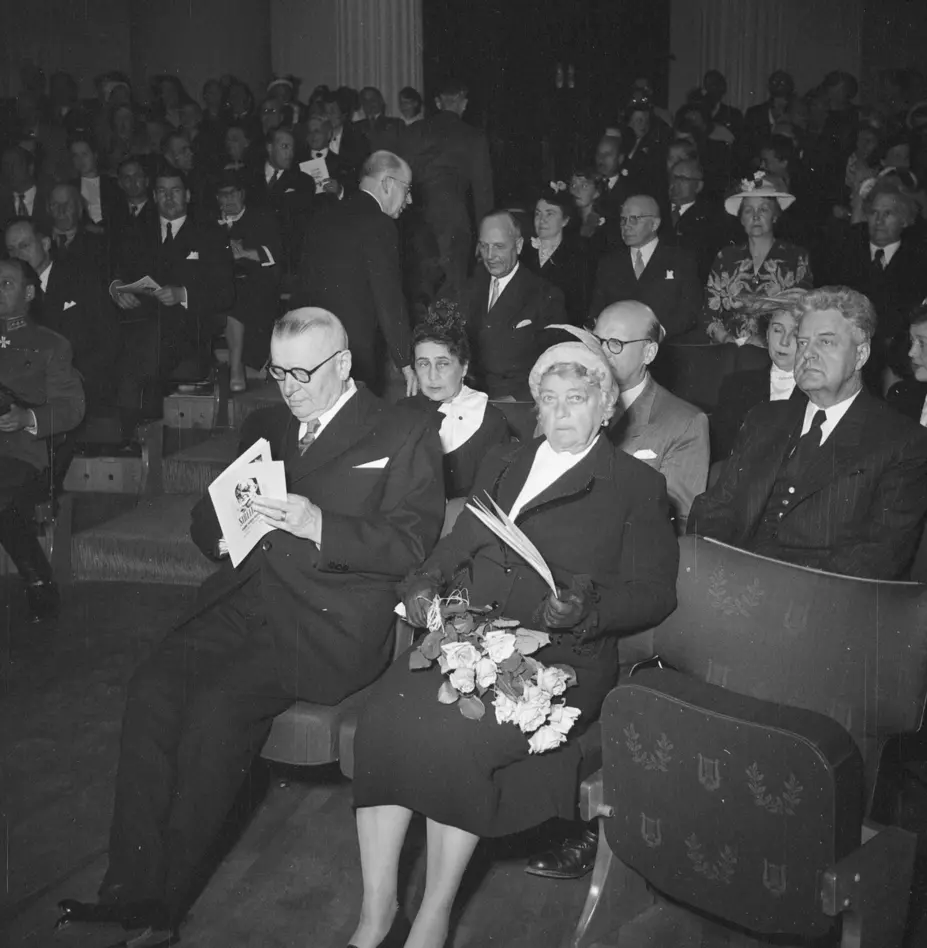
The first Sibelius Week was held in June 1951. The organisers managed to book two international stars, Philadelphia Orchestra conductor Eugene Ormandy and American master violinist Isaac Stern. There was no proper concert hall in Helsinki, so the concerts were held in the banquet hall of the University of Helsinki, at Sibelius Academy and in Messuhalli in Töölö.
The music of Sibelius at the heart of everything
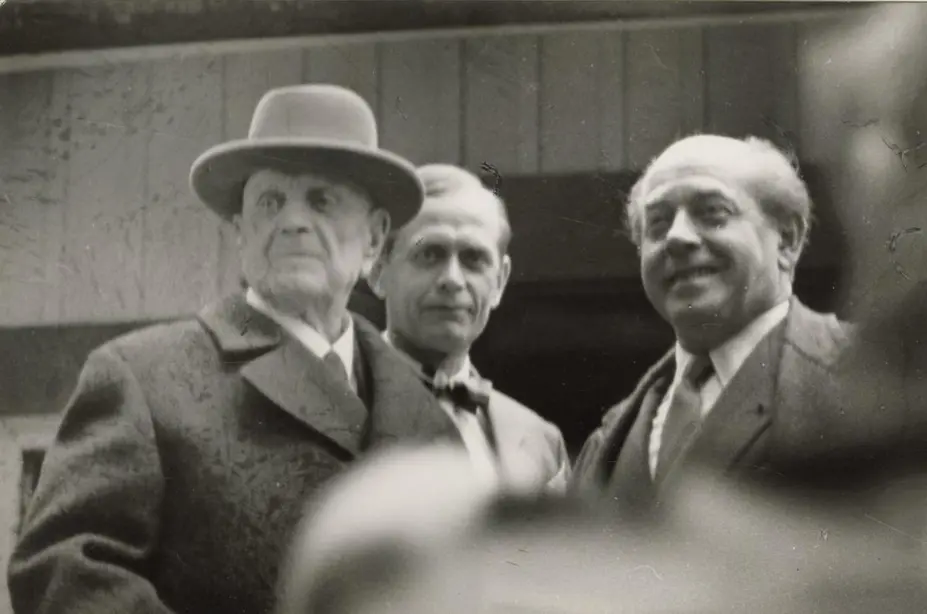
The overarching theme of the festival in Helsinki was the music of Sibelius. Having turned 85, the master composer did not attend the Sibelius Week events himself, but he listened to the concerts carefully on the radio and welcomed the visiting conductors and soloists to Helsinki. Travelling to the Sibelius residence, named Ainola, in Järvenpää to meet a living legend was a unique opportunity for foreign musicians, increasing the attractiveness of performing in Helsinki. The Sibelius family was represented in the festival administration by Jean’s daughter Eva Paloheimo and his son-in-law, conductor Jussi Jalas.
Sticking to Sibelius’ music exclusively became a bit much for the audience, so other Finnish composers were included in the concert programme, such as Yrjö Kilpi, Leevi Madetoja, Uuno Klami, Selim Palmgren and Aarre Merikanto. The festival served as a showcase for Finnish music exports, as the concert programme was complemented by a recording concert of emerging talents. Among the younger composers, Einar Englund and Erik Bergman stood out, followed by Einojuhani Rautavaara and Joonas Kokkonen.
The radio-broadcast festival concerts were also a showcase for Finnish conductors. Alongside Jussi Jalas and the permanent leaders of HKO and RSO, Tauno Hannikainen and Nils-Eric Fougstedt, responsibility was gradually given to promising youngsters – Paavo Berglund, Jorma Panula and Ulf Söderblom.
Helsinki welcomed top musicians
Top foreign musicians and orchestras were the main attractions of the festival. The programme always included a Sibelius violin concerto, interpreted by musicians invited alternately from the United States and the Soviet Union. Geographically, Helsinki was no more accessible than it is today, but its geopolitical location between the East and the West guaranteed the attention of the great powers. Because of world politics, Helsinki was the target of various soft propaganda operations, and artists served as cultural ambassadors for the capitalist West or the socialist East.
Foreign artist bookings were coordinated by the Fazer Concert Agency, whose director, Viggo Groundstroem, became the artistic director of the festival in 1960. Roger Lindberg, CEO of Fazer, personally looked after the wellbeing and comfort of the distinguished foreign guests and diplomats. In practice, the festival cooperated with the music festivals of Stockholm, Bergen and Copenhagen: the same artists would sometimes be invited to perform in all of the cities, as the Nordic festivals formed a coherent series from May to Midsummer.
Music city Helsinki was put on the European festival map
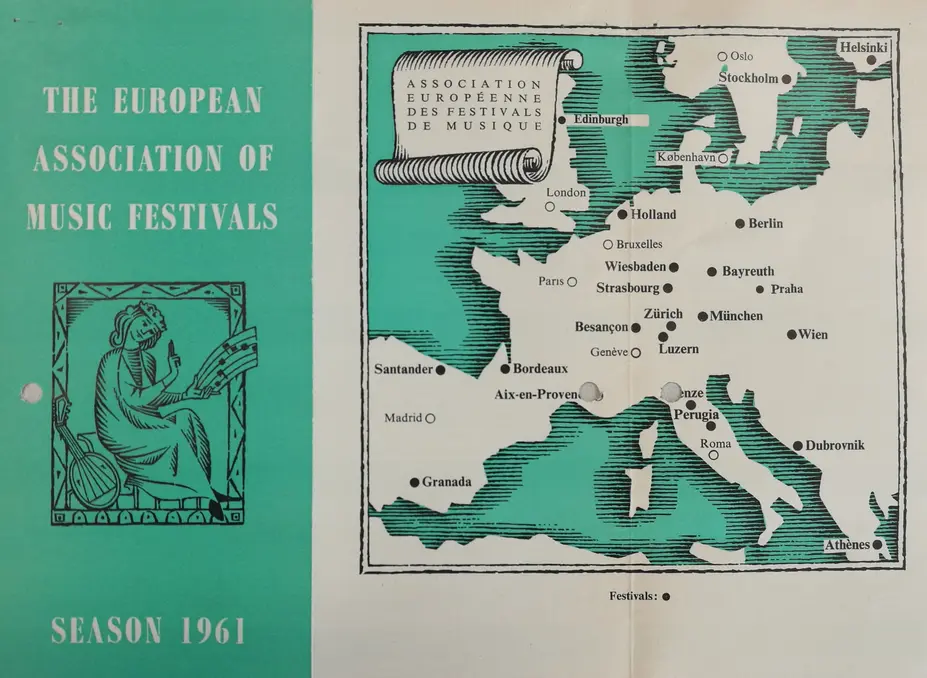
Sibelius Week put Helsinki and all of Finland on the European festival map. Under the umbrella of the European Cultural Centre, a European Festivals Association was founded in 1952, with Sibelius Week immediately accepted as a member. Helsinki was prominent in the international co-marketing of both European and Nordic festivals.
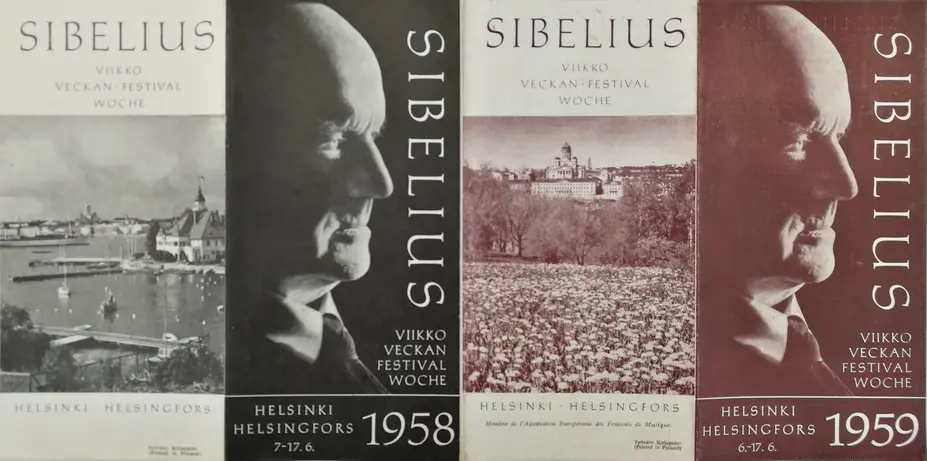
Sibelius Week was held fifteen times between 1951 and 1965. Although the festival did not bring a rush of tourists to Helsinki, its concerts were broadcast on radio in as many as 30 countries via more than 60 radio stations. The radio broadcasts generated revenue for the festival and effectively spread an image of Finland as a country of music and the high-quality symphonic orchestras of its capital, Helsinki.
The competition between the two orchestras of the capital was electrified by international publicity and audiences. The orchestras would motivate each other to work harder and became known as interpreters of Sibelius in particular, thanks to the festival. This reputation opened a way for international concert tours in the early 1960s, with LP recordings following from the mid-1970s onwards.
Interest in organising summer festivals gradually spread to the rest of Finland from the late 1950s onwards. Sibelius Week was in competition with the Turku Music Festival and the ballet festival of the National Opera in particular, causing Helsinki to have to cooperate with the two. The real festival boom in Finland began in the late 1960s.
From Sibelius Week to Helsinki Festival
The last Sibelius Week was held to celebrate the 100th anniversary of Sibelius’ birth in 1965. Although the programme was rich and the result profitable, it was decided that time had left the old-fashioned music festival behind. In 1966, a separate Helsinki Week Foundation was set up to open up the high-level art music festival to other forms of art and the general public. The first Helsinki Festival took place in May 1968. The festival was then moved to the end of the summer and its duration was extended.
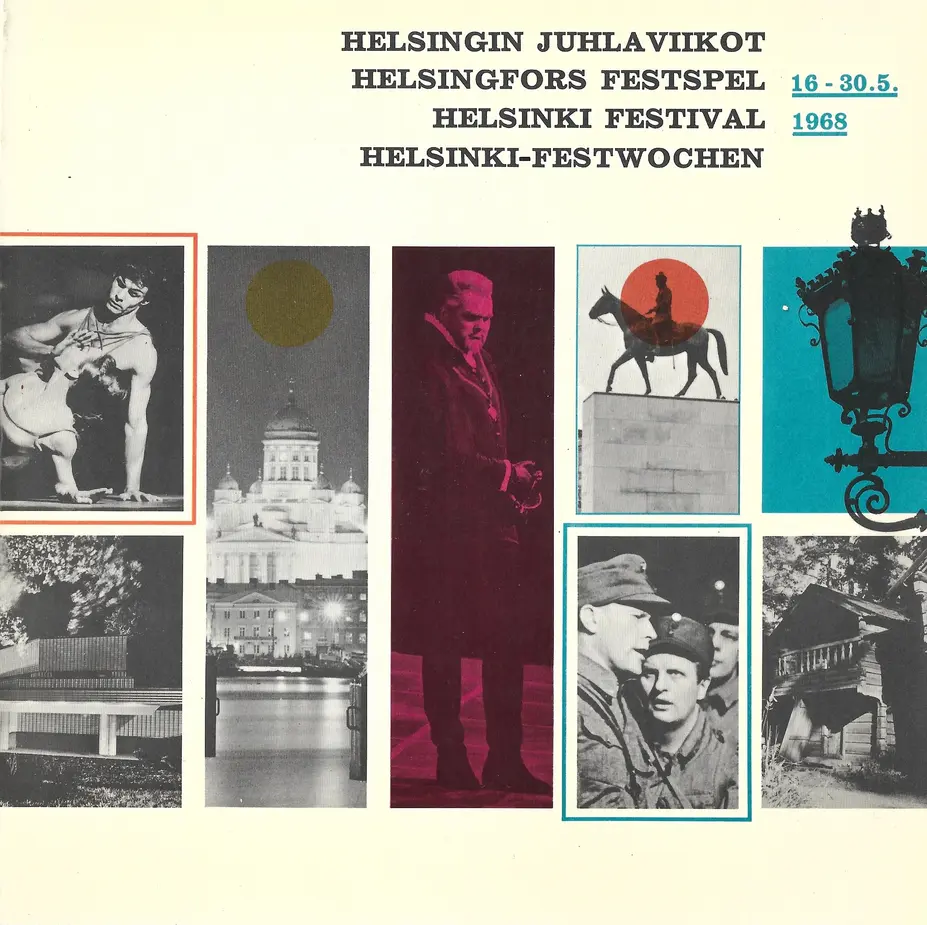
Despite a three-year break, Helsinki Festival served as the successor of Sibelius Week, as the festival administration maintained a strong sense of continuity. However, the financial basis of the event changed when the state withdrew from its role as a financer. This made the festival even more clearly an art festival for Helsinki and its residents in particular.
In 1969, musician and influencer Seppo Nummi stepped in as the leader of the festival and succeeded in lowering the threshold of the festival and appealing to young people of the baby boom generation. Free-of-charge rock and jazz concerts spread across the suburbs as symphonic concerts were concentrated in the palace-like Finlandia Hall from 1972 onwards. Visual arts, theatre, cinema and children’s culture were also featured in the festival programme.
This article is based on the author’s work Taiteen ja kulttuurin pääkaupunki. Helsingin historia vuodesta 1945, osa 7, which will be published by the City of Helsinki’s History Committee in 2025/2026.

