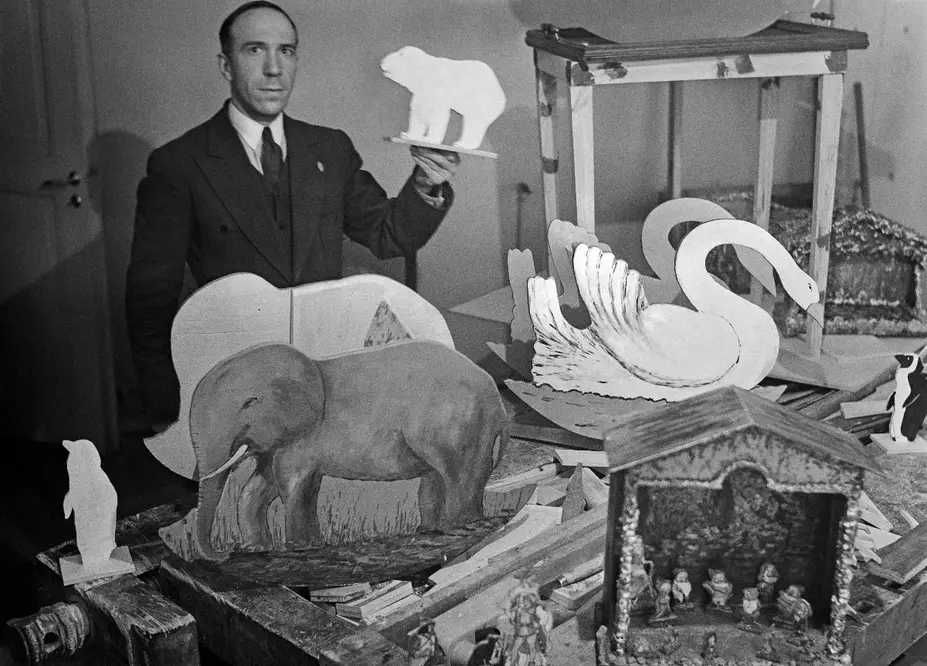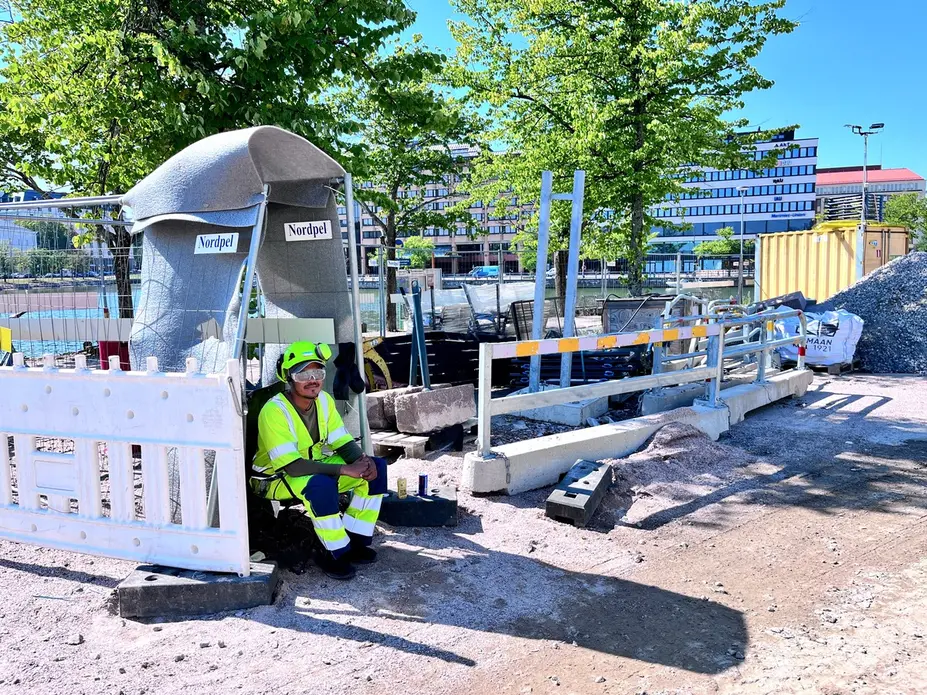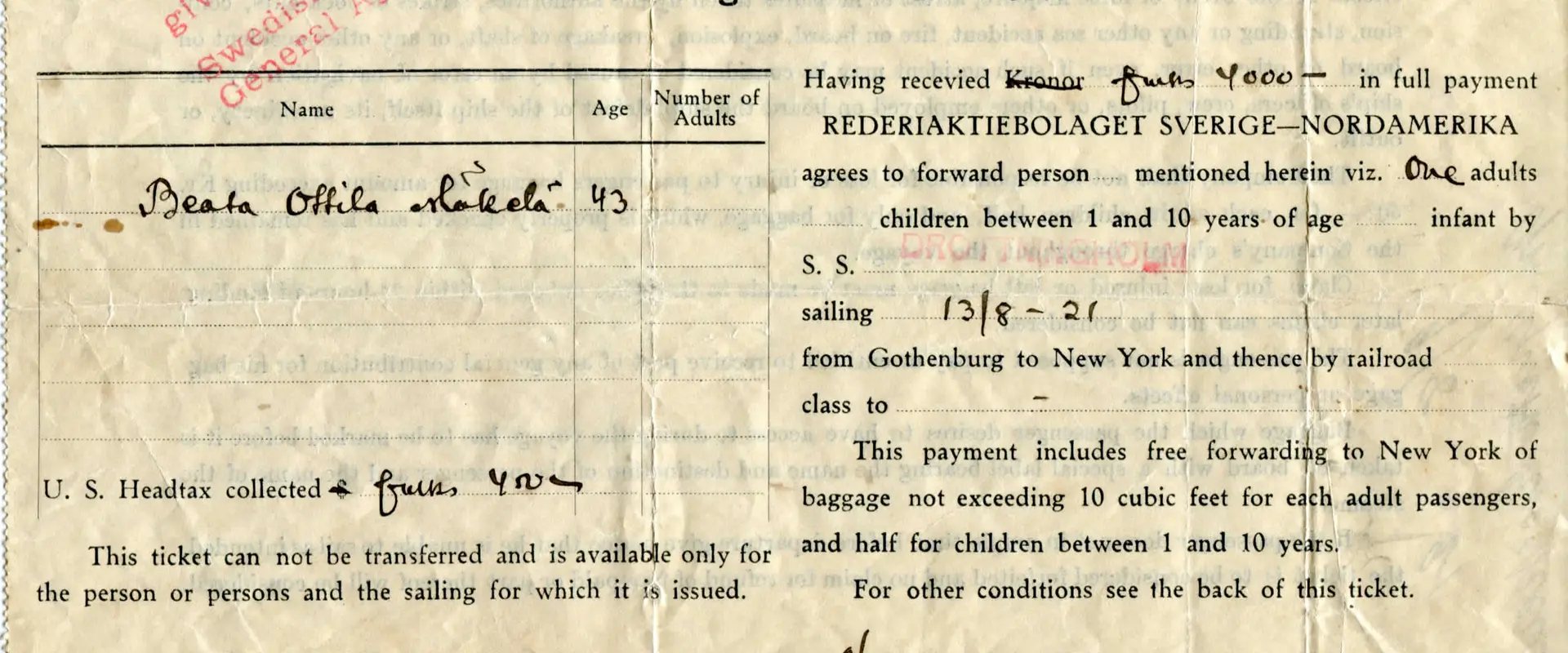
The history of Helsinki is essentially a history of growth, especially since the mid-19th century. The growth has been largely sustained by migration within Finland, but Helsinki has also attracted a large number of new residents from abroad. This has been the case in two periods of history in particular, at the turn of the 19th and 20th centuries and over the past 35 years or so.
There are actually two types of international mobility. In the old days, it was by far the most common for a person to move from one country to another and then stay in that country for the rest of their life. The other form of mobility is non-rooted, involving people coming and then going. The latter form in particular has become increasingly common.
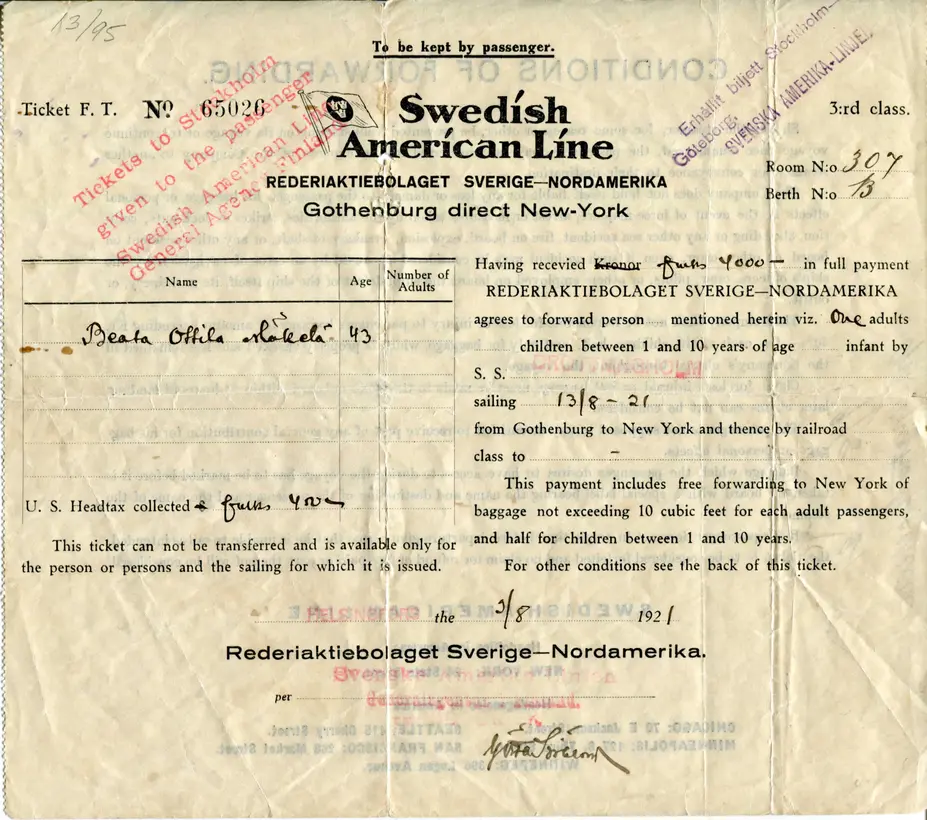
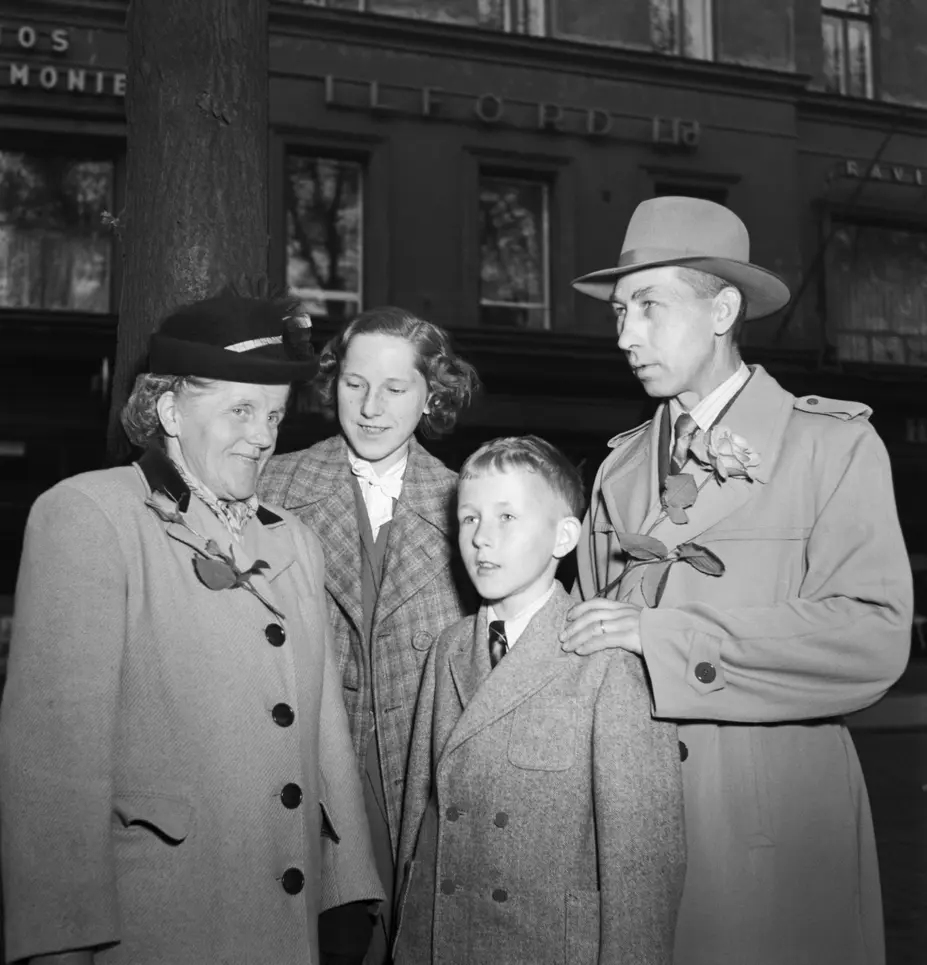
Non-rooted mobility continues to take several forms. All of them can also be found in history, but they are more common today than ever. Some people come for a short or longer stay but eventually return to where they came from. There are also people who move from one country to another, voluntarily or involuntarily. Some go back and forth, commuting between two countries.
As a result, the population of large cities such as Helsinki, in particular, is no longer as stable as it used to be. It is said that the population is floating: no one knows exactly who is here and will be here in the future. Many are inside the city but outside the statistics. The statistics include people who have left here.

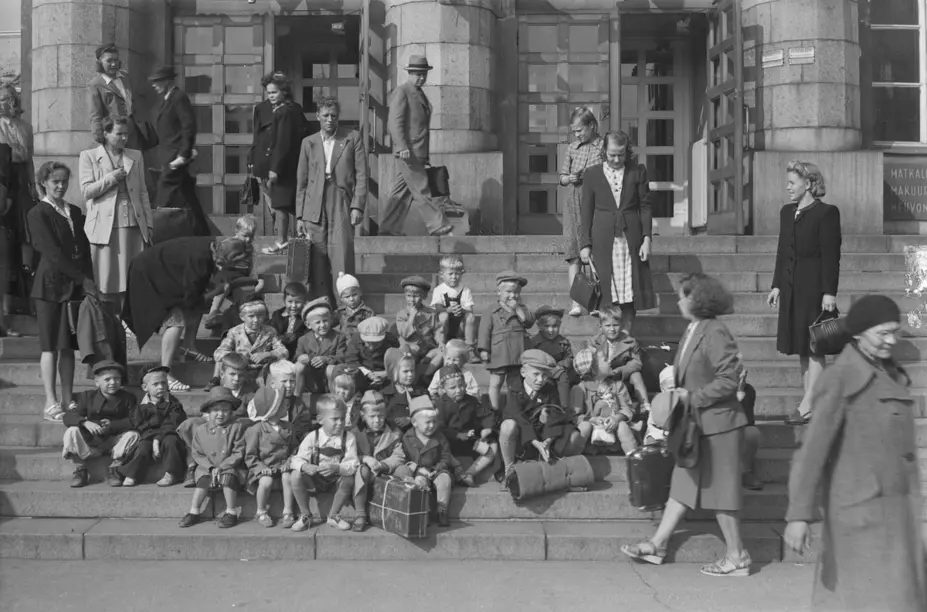
Being a Helsinki resident today also very much involves moving between different places. Finnish culture has long included spending leisure time at summer cottages. Recently, many people have furnished their cottages to serve as secondary homes, where they can spend long periods of time and even work. Many Helsinki residents also spend a large part of the year abroad, e.g. in Spain or Portugal.
Modern information and communication technologies, especially the internet, also offer great opportunities for transnational living, even if the place of residence does not change. While being in one place physically, we can largely be somewhere else socially. In short, some Helsinki residents are living their lives somewhere else at the same time. Similarly, many of those who have left Helsinki maintain a strong connection here.
Throughout its history, Helsinki has always been largely a city of people whose background or roots are somewhere else. One of the challenges of a growing, diversifying and dynamic city has always been to make everyone living in Helsinki feel equal and like a Helsinki resident. This challenge is more relevant today than ever.