
In 1870, well over half (57%) of Helsinki’s population of around 32,000 people were Swedish-speaking. In 1920, the city, which had grown roughly fivefold in population, had a Finnish-speaking majority of almost two-thirds. At the beginning of the period, the proportion of speakers of other languages was as high as 17%; in 1920, it was only 2.5% of Helsinki residents.
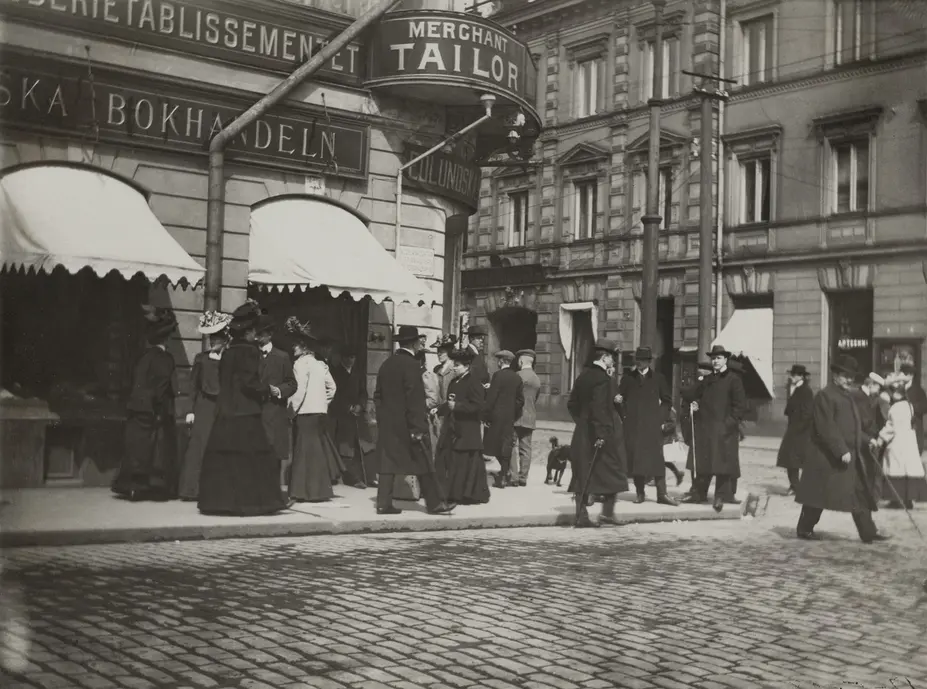
Towards the end of the 19th century, Russian speakers were by far the largest group of foreign language speakers. However, their numbers plummeted as Finland became independent. Examples of other larger language groups recorded in Helsinki in 1900 included German, Yiddish and Estonian speakers. In addition to languages from neighbouring geographical areas, statistics from the period also include French, Dutch and Italian, as well as Tatar, which has long been a minority language.
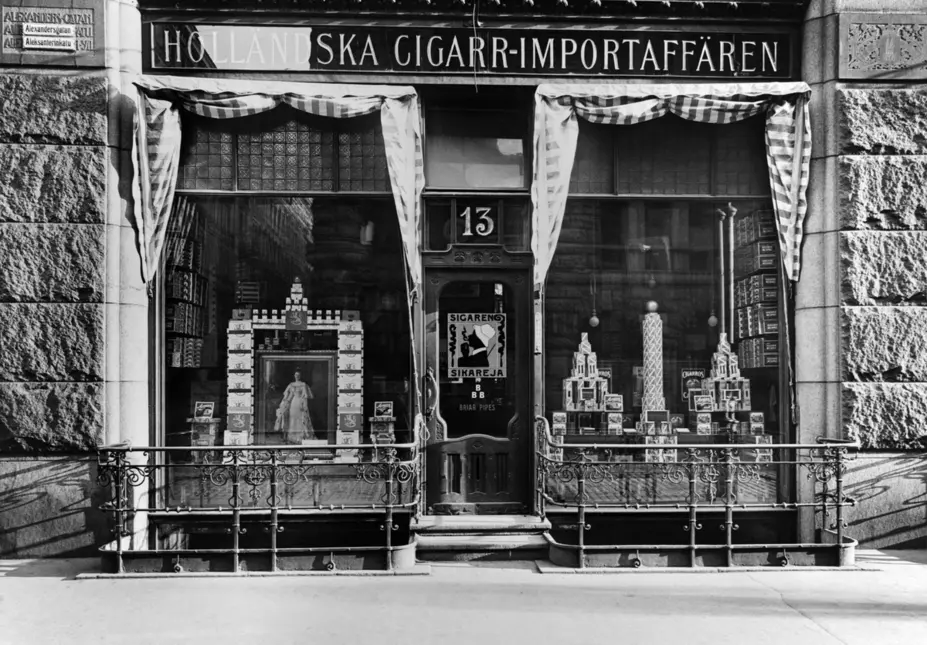
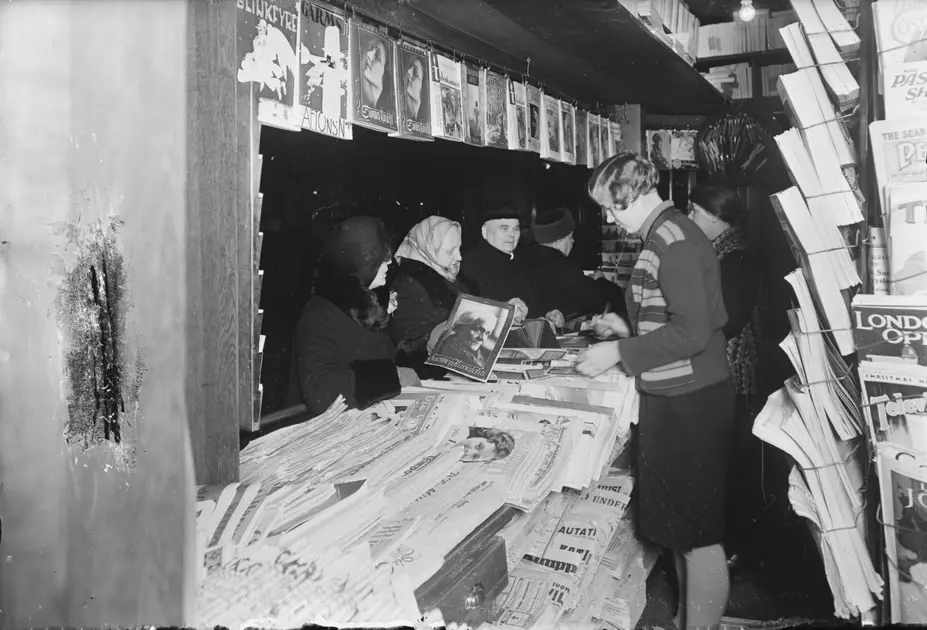
According to official statistics, around 150 languages are spoken in Helsinki today. In reality, however, the number is much higher, as the statistics do not acknowledge all of the world’s languages. Based on various sources, linguist Fred Karlsson has estimated that there are about 500 languages spoken in Finland – and, by extension, undoubtedly in Helsinki as well.
Many of the numerous language groups in Helsinki are very small, with some of them consisting of perhaps only one person. However, in today’s world, people can use their own language here too by with the help of their mobile phones and the internet. In the past, communication would often be limited to occasional postal correspondence.
However, some of the current minority language groups are large: according to Statistics Finland, there were around 21,000 Russian speakers, 14,000 Somali speakers and around 10,000 each of Arabic, English and Estonian speakers in Helsinki at the end of 2023. There are also many speakers of Chinese, Farsi, Kurdish and Spanish.

History has shown that linguistic assimilation occurs particularly in the third generation of immigration. Few grandchildren of immigrants today are fluent in the language spoken by their grandparents and passed down to their parents.
However, languages can be resilient: the survival of the aforementioned Tatar language in Finland is a case in point. Language preservation is promoted by marriage within the same language group, which is why languages such as Somali and Arabic are likely to be a permanent feature of the linguistic landscape of Helsinki.
Linguistic diversity also includes the multilingualism of individuals. This is nothing new, either. For example, merchants, officials and seafarers were required to know several languages in Helsinki in the 19th century. Many were so proficient in several languages that they had no clear linguistic identity.
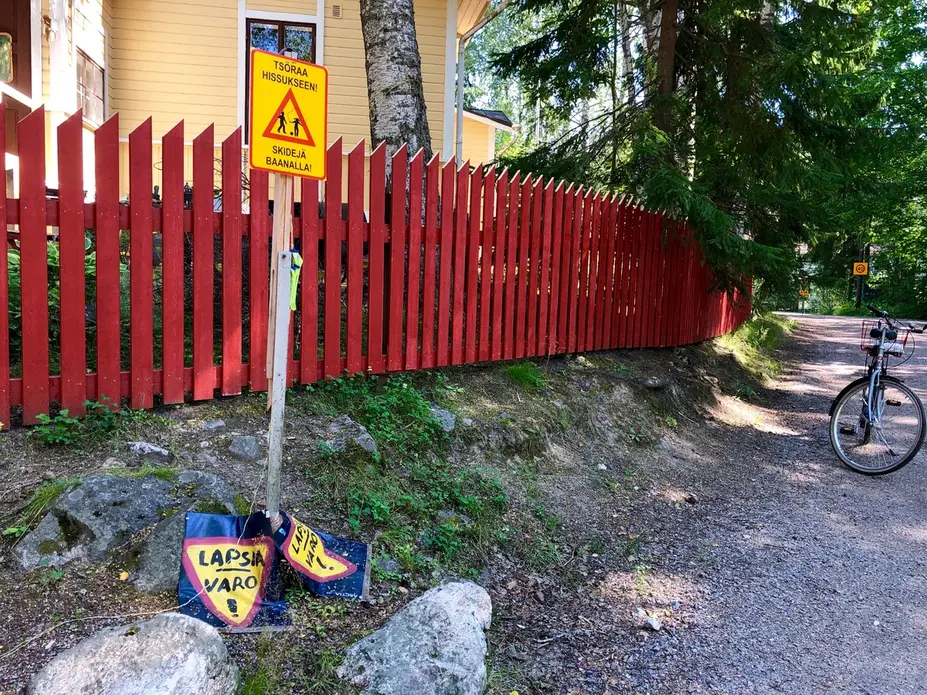
A Finnish peculiarity is a change of language among the country’s upper class in the late 19th and early 20th centuries. Many Swedish-speaking families preferred that their children start speaking Finnish, and some even changed their home language to Finnish.
Many of today’s Helsinki residents are also bilingual or even multilingual. People speak one language or perhaps several at home, and outside the home, they speak mainly Finnish. It is important that people living in Helsinki can also manage in Finnish or Swedish. Apart from that, linguistic diversity is first and foremost culturally enriching and an asset of the city.