If you look up at Fredrikinkatu 33, you can see Arabic script on a wall. It hides a modern mosque with a praying room, celebration hall and meeting rooms. Finlandiya İslam Cemaatı (Suomen Islam-seurakunta, Finland Islam-Congregation), founded in 1925, is the first Islamic congregation in Finland.
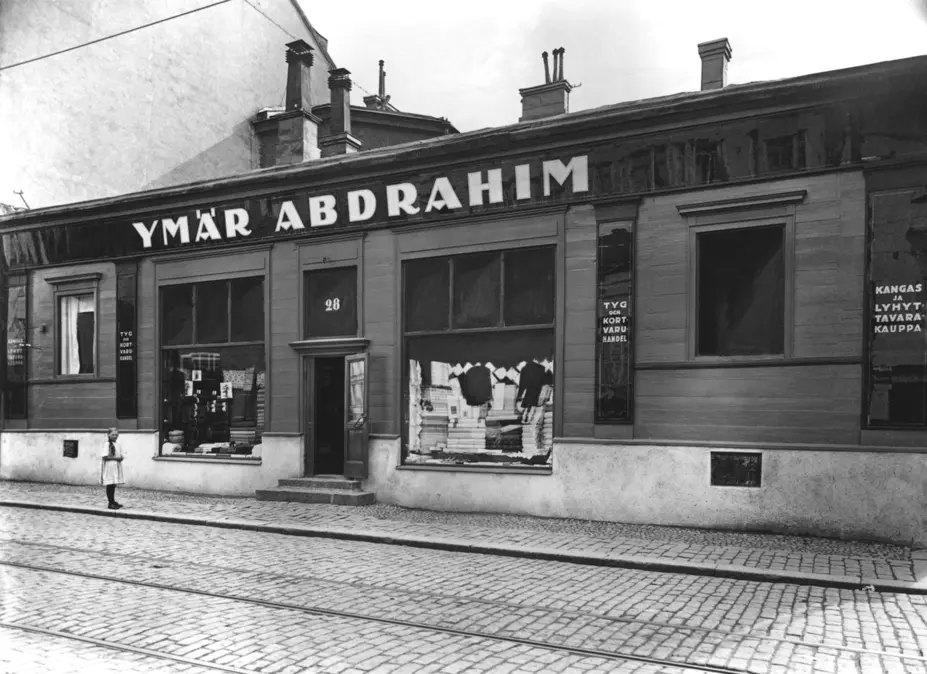
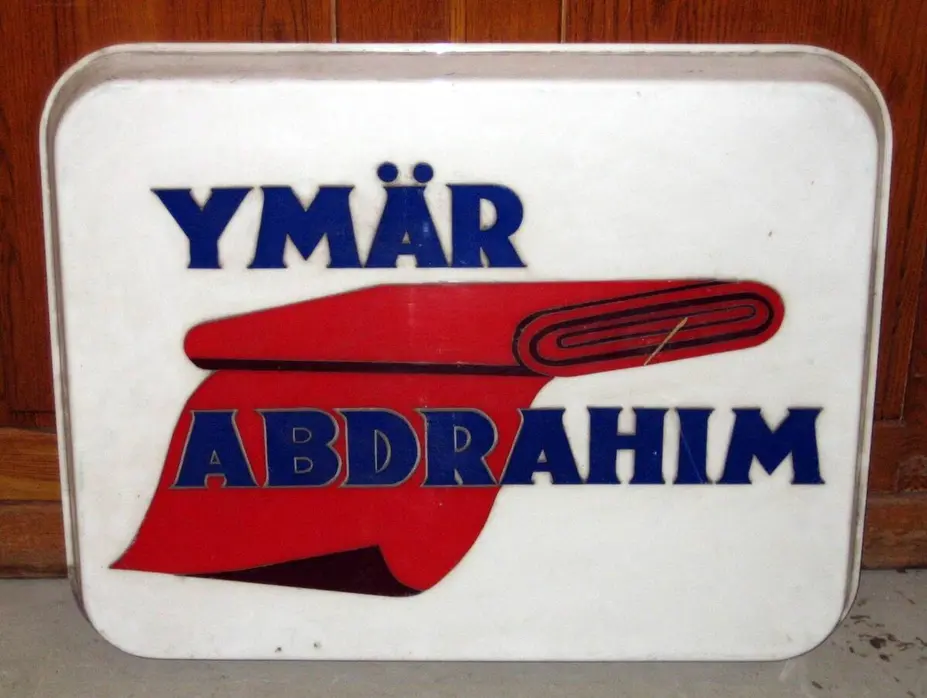
In the streets of Helsinki, the Tatars have remained fairly invisible, but many have lived and owned shops since the beginning of the twentieth century in the area around Fredrikinkatu, Albertinkatu, Eerikinkatu and Bulevardi. Here they sold mostly carpets, furs, clothes and textiles. A Tatar cobbler (shoemaker) worked on Erottaja and later on Fredrikinkatu. The number of shops has decreased in the past decades and only a handful are left, but many Tatar families still live in this area.
Modern traders
The Tatars who moved to Finland between the 1860s and 1940s were merchants. They were Mishars or western Volga Tatars and many were related to each other. The Mishars originated in villages near Sergach, a small town located southeast of the large city Nizhny Novgorod by the Volga River in European Russia. Tatar soldiers, who had been stationed during the 1800s at Viapori/Sveaborg, mostly returned home and did not contribute to the creation of the Tatar minority in Finland.
The Tatars were reformed Muslims, and most were literate. They strived to adapt to modern society, and also girls went to school. While the women traditionally took care of children, elderly family members and the household, sewed clothes and furs and made other handiwork at home in the villages, the men travelled to cities and sold anything from cloths and bedsheets to accessories.
Bicycle and train journeys
The first Tatars who arrived in the Grand Duchy of Finland were already trading in the capital Saint Petersburg. They followed the city tourists to vacation resorts in Karelia and then started to explore also other places in Finland. Around 1900, the Tatars perceived Helsinki mainly as a larger town in the Russian Empire, where they could sell their goods. Young men were sent to the countryside on bicycle to sell goods and learn the job. After a few years as travelling salesmen, they could establish their own shops in towns.
The Tatars often returned to their home villages by train. Many men commuted between the villages, Saint Petersburg and Finland. Soon whole families lived in towns in Finland. The Helsinki community had grown so large in the 1910s that teaching in Tatar had to be arranged for the children. An imam was invited to teach language, religion, mathematics, calligraphy, ethics and other disciplines, and the women established a kindergarten.
Europeans or “Orientals”?
The Tatars who appeared at fairs and marketplaces in Finland at the end of the nineteenth century were not very well received, even though their goods sold nicely. Newspapers wrote derogatory commentaries reflecting common myths about “Oriental” peoples. The authorities tried to control the itinerant merchants, and stereotypical images of Tatars in long kaftans were published in mass media, although the Tatar salesmen were dressed in Western costumes.
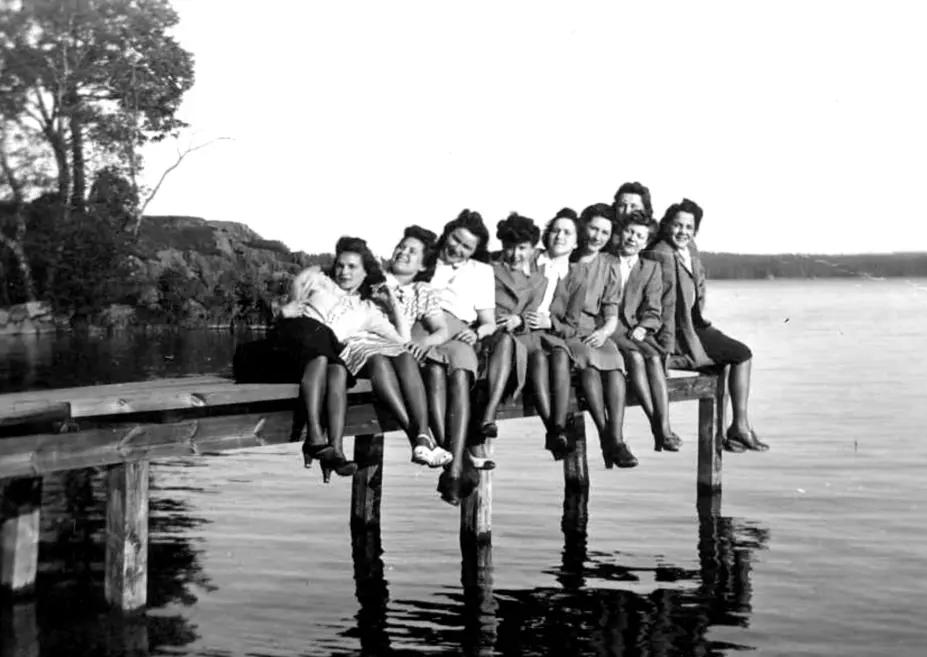
The women of the first generation preferred, like many Finnish women in the countryside, to wear a scarf over their hair when they went out. Young Tatar women, who grew up in towns, followed closely Finnish and foreign fashions.
Tatar women owned shops in Helsinki from the 1920s. Some women, who lived outside the capital or did not have a husband or son to support them, travelled to fairs and sold clothes they had sewn. In the Helsinki market hall, Tatar women sold among others popular housecoats produced in Järvenpää.
Strong community
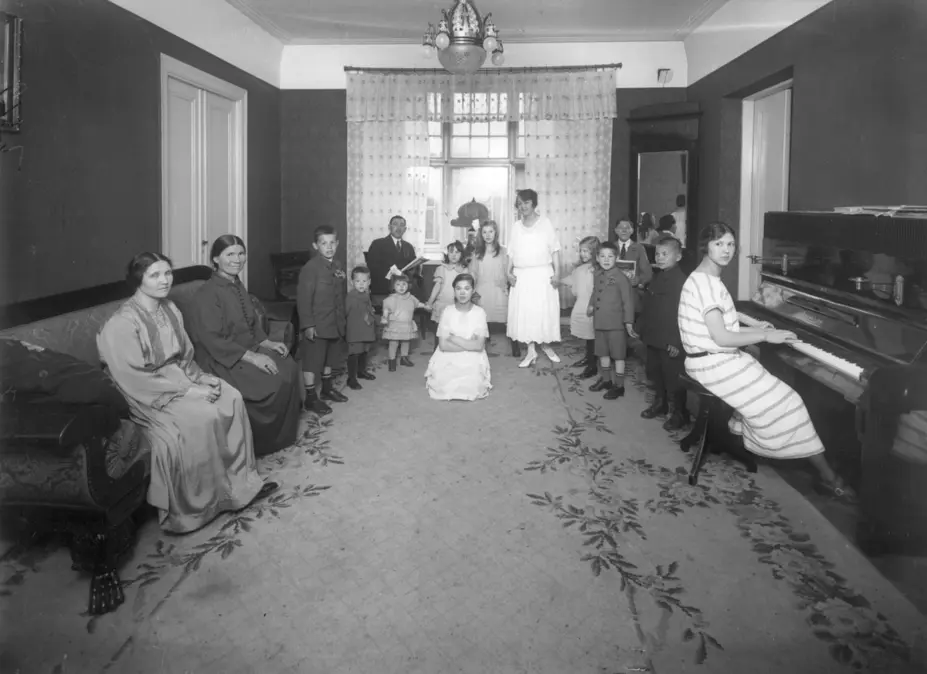
Many Tatar families moved to the same quarters in Helsinki between Kamppi and the Johannes Church. It was practical and strengthened the community. Children played together and the women asked each other to look after the children, when they had to go on an errand or help in the family shop.
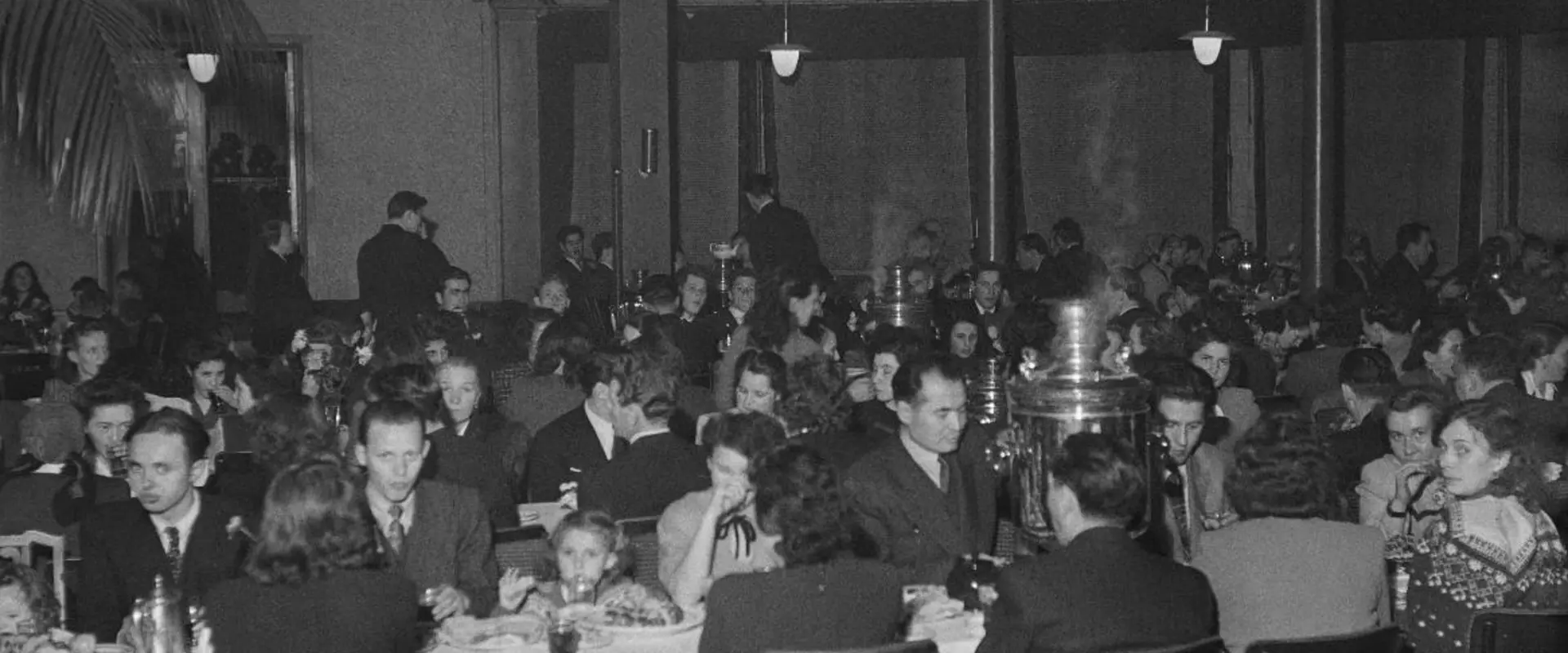
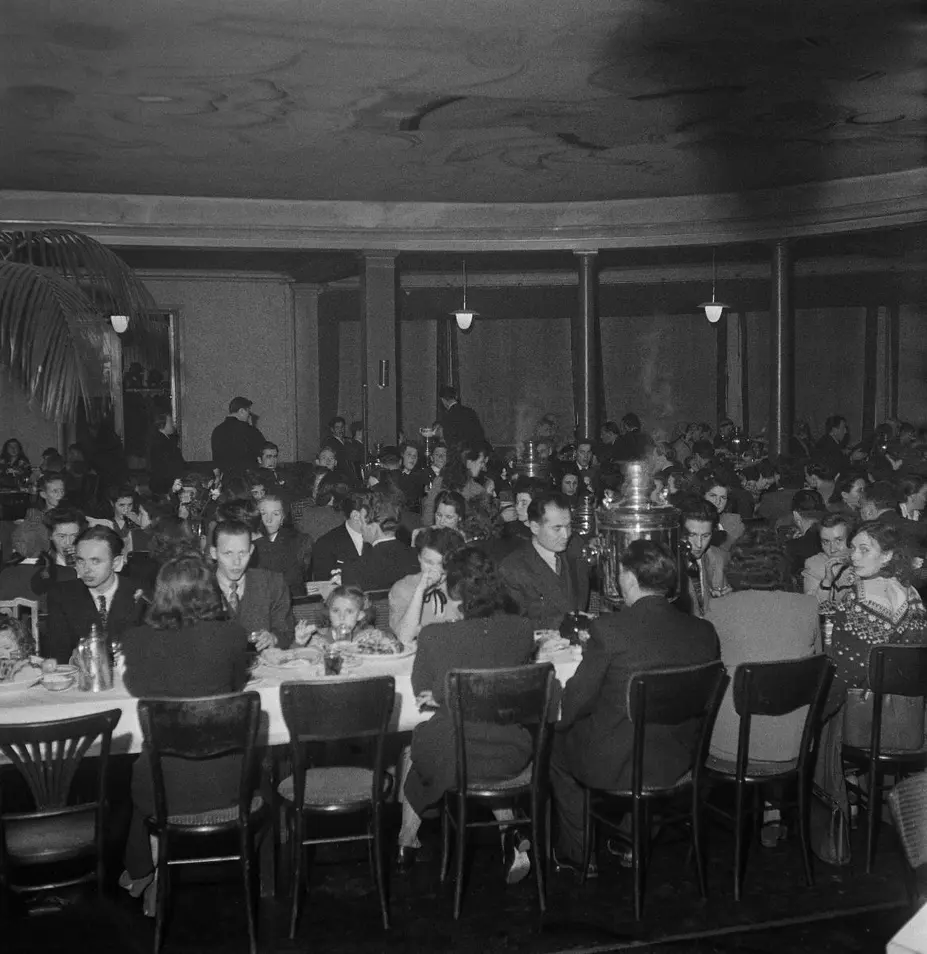
The Tatars visited each other daily, exchanged news and information, discussed important questions, supported one another and celebrated together. Often several families joined forces to arrange events and celebrations. Family celebrations, birthdays and traditional and religious feasts with hundreds of participants were celebrated in various locations in Helsinki. The Kaisaniemi restaurant was popular, but also other restaurants and celebration halls were often rented for events.
Multilingual minority
The adaptation to Finnish society was smooth, because the Tatars were already used to being a minority and they spoke multiple languages. In the area of their home villages there are also other Turkic peoples, Finno-Ugric peoples as well as Russians. Many men had learned Arabic at the village school, and they needed Russian for selling their goods in the cities. Some knew also Persian and Turkish.
The merchants learnt both Swedish and Finnish quickly. The women did not lag behind: they read diligently both Tatar and Finnish magazines and learned to prepare new dishes with ingredients sold at markets and in shops in Finland. The following generations studied English, German, French and other languages at school.
When the Soviet Union closed the border in the mid-1920s, contact was cut to the home villages and Qazan (Kazan), today capital in the autonomous republic of Tatarstan, from where the Tatars often ordered books and magazines. The Tatars in Finland realised that while they were learning to know the Finnish society better, they now had to work actively to keep their traditions and language.
Education and schools
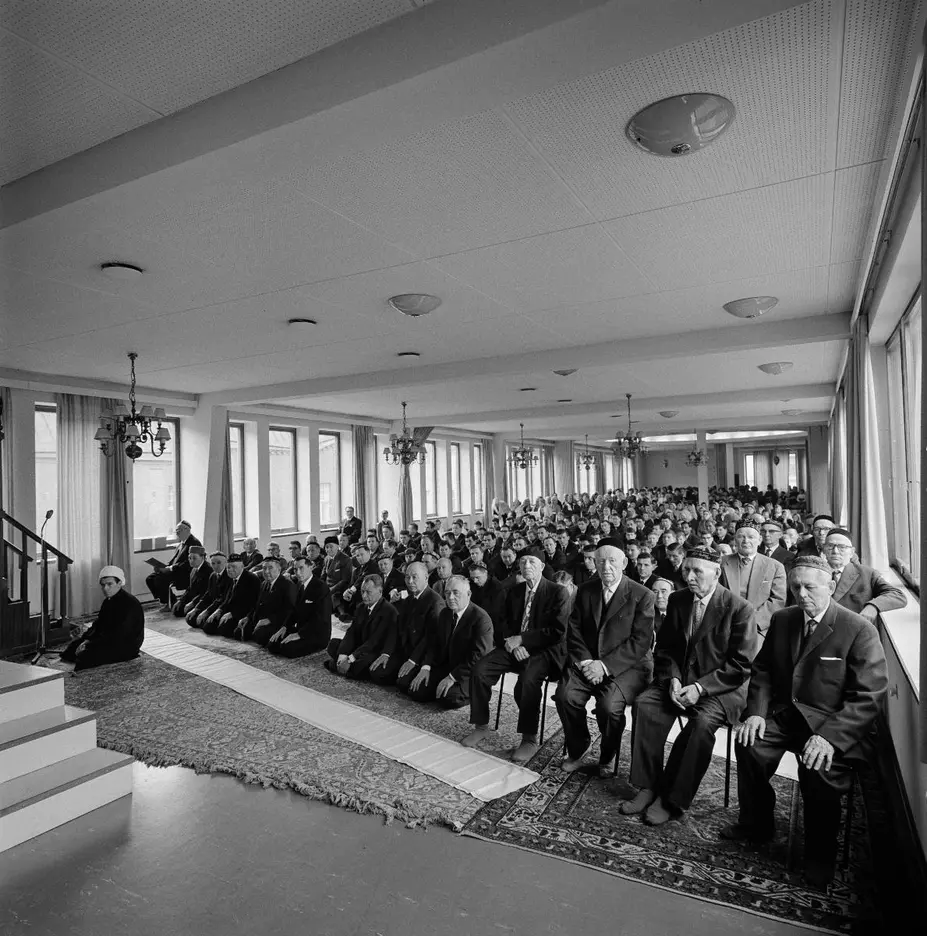
For Tatars it is traditionally important to get a good education. Religion has been an essential aspect of their identity and Islam is still taught to children, but similarly to other citizens in Finland the Tatars have become strongly secularised. Prayers are arranged on Fridays in the mosque and daily during the fasting month of Ramadan. Religious and other celebrations gather the Tatars in Helsinki. Many Tatars from other towns belong to the Helsinki congregation and associations.
Since the 1920s, Tatar pupils study at Finnish- or Swedish-speaking schools. The Tatars tried in the 1930s to start a regular elementary school in Helsinki, but only in 1948 they succeeded in establishing a bilingual school, where the pupils were taught both in Tatar and Finnish according to the curriculum of Finnish schools.
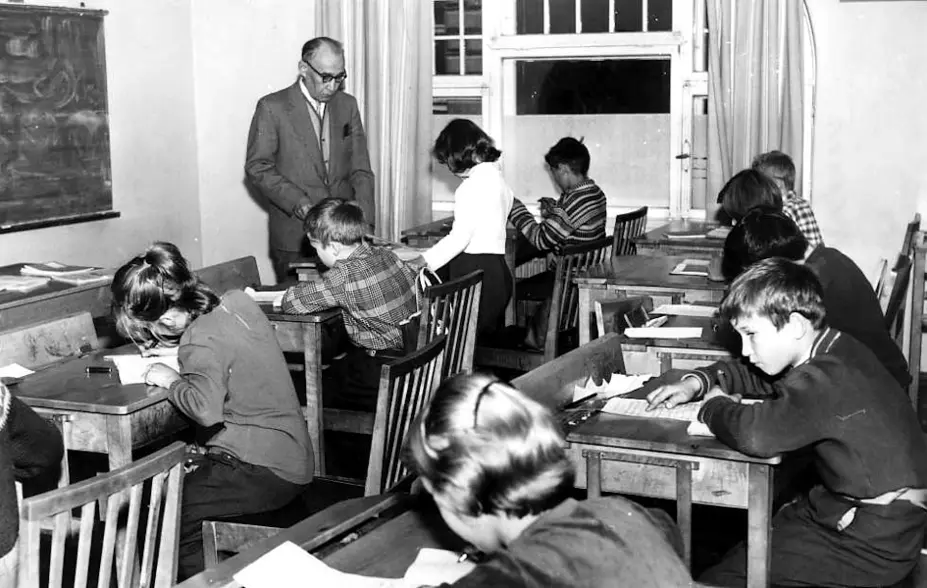
The school closed in 1969 due to reduced numbers of pupils, but the kindergarten and education in language and religion, begun in the 1910s, continues in the form of courses and weekend teaching with both local and invited teachers. Tatar children participate every year in summer camps, where they meet their peers from other towns and abroad. They develop their knowledge and skills in language, culture and religion, and participate in traditional cooking and other joint activities.
Expanding business
At the end of the 1920s, the Tatars were well established in Helsinki and began looking for possibilities to expand their businesses by producing quality goods on a larger scale. Järvenpää offered cheap land and labour for factories. Several families moved there, imported furs and textiles from abroad, engaged seamstresses and started to mass produce clothes, selling these throughout the country.
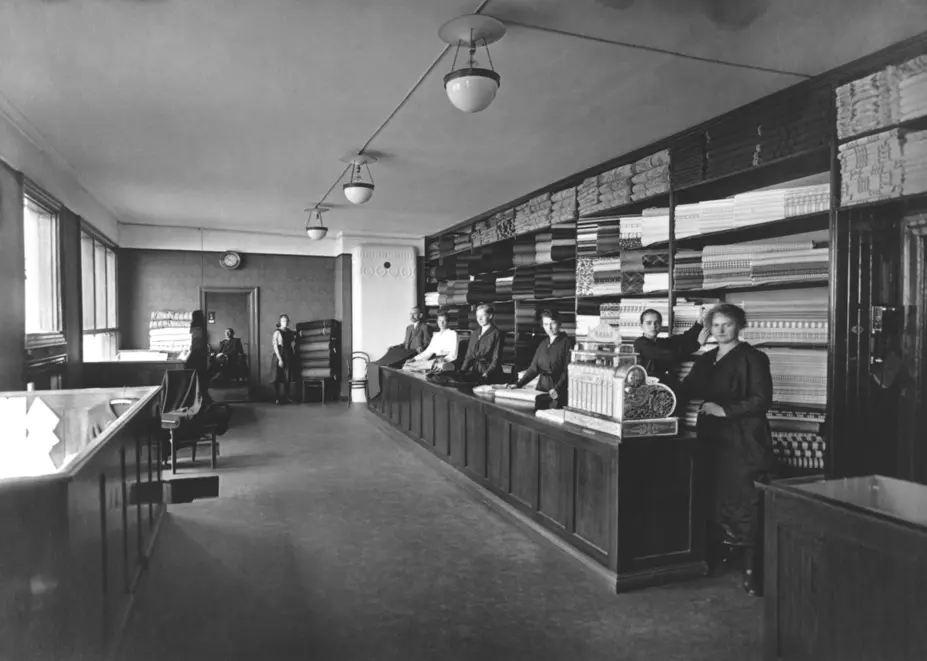
Tatar merchants participated regularly in exhibitions and fairs and almost daily advertised their goods in newspapers. Their goods, previously despised as cheap junk, was now considered to be of high quality, and among their clients there were also rich and famous Finns.
Restaurants
A few short-lived Tatar restaurants have existed in Helsinki. They served among others pärämäts or peremech, a folded pastry traditionally filled with minced meat and fried. Pärämäts can also be oven-baked and filled for example with potato instead of meat. Pärämäts spread probably from Mishar Tatars to Kazan, where fine tea tables became fashion in the nineteenth century. From there the pastry spread to neighbouring peoples and deep into Central Asia.
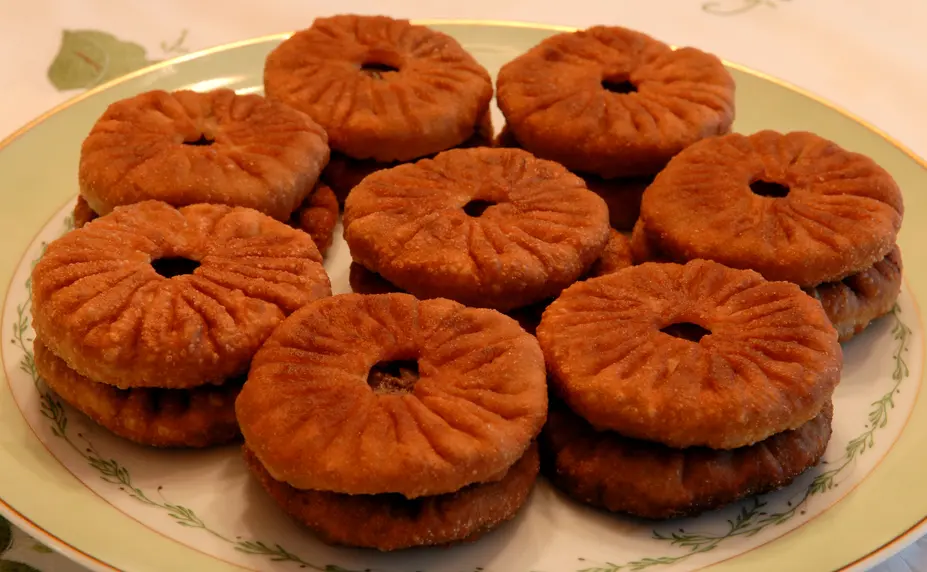
Earlier women prepared pärämäts almost daily and children took the pastries to school for snacks. Today Tatars always prepare pärämäts for celebrations and often together with family, relatives and friends. In Tampere the pastry is better known than in Helsinki because a bakery started selling it already in the 1960s.
Cultural events
Today the Tatars in Finland comprise a group of less than a thousand persons. They live mainly in Helsinki, Tampere, Turku, Järvenpää and Rauma. The congregations in Helsinki and Tampere, cultural association FTB founded in 1935, and weekend kindergarten and school in Helsinki are still active today. The Tatars have created a lot of cultural activities and choirs, theatre groups and rock bands. Tatars of all ages perform songs, music and poetry at school celebrations and festivities.
Hietaniemi Cemetery
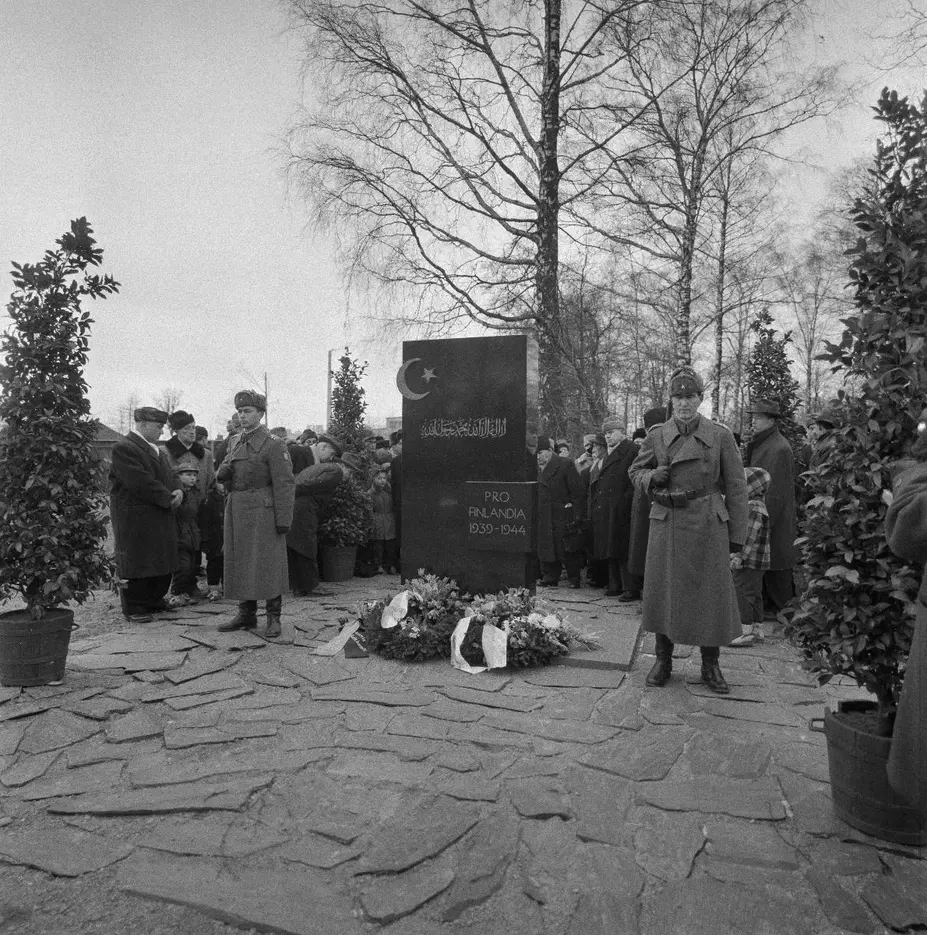
At Hietaniemi Cemetery the Tatars have their own area. Here are buried only members of the congregation. Names were written earlier in the Arabic alphabet, but on newer tombstones Latin script prevails. The Tatars in Finland changed gradually from the Arabic script to Latin script in the 1960s, while the Tatars in Russia were forced to use the Cyrillic alphabet from the 1930s. The traditional Arabic script, in use for over a millennium in the Volga region, is still employed by some elderly Tatars. At Hietaniemi there is also a memorial for the Tatars who died for Finland during World War II.
Literature and teaching materials
The publication activities of the Tatars is impressive in comparison with the size of the minority. The Helsinki congregation and cultural association are the most productive publishers of books, teaching materials and magazines in Tatar, but there are also several work groups and individual actors within the literary field. The world’s first Tatar-language Easy-to-read books and haiku poetry collection were published by Aybagar (Link leads to external service)in Helsinki.
The educational materials in Tatar are extensive. In addition to teaching materials and learning resources, Tatar women have created a great number of language materials photocopied for the pupils in the kindergarten and school. Today the Tatars publish also multilingual materials, because all Tatars in Finland speak several languages. New parents receive a “baby box” or maternity package with books, music, games and other materials for teaching the child Tatar language and culture.
Sports
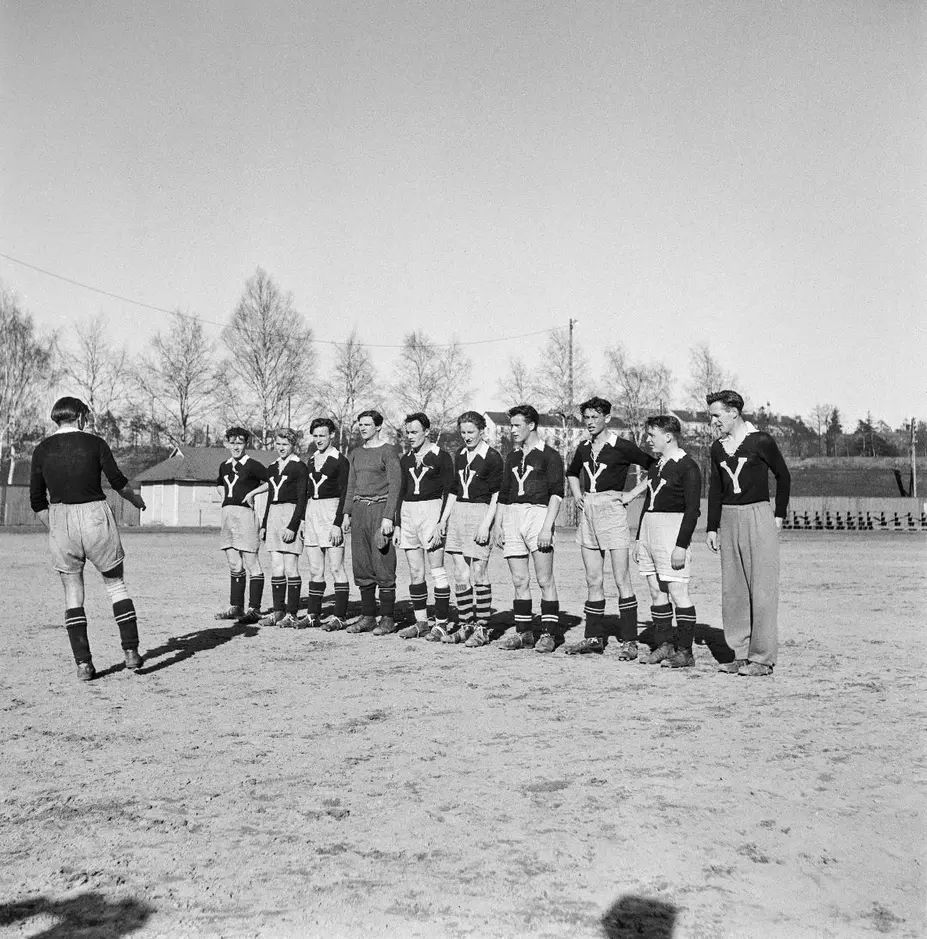
Tatars enjoy sports. Football (European soccer) and ice hockey association Altın Orda (‘Golden Horde’, established in Terijoki in 1933) and sports club Yolduz (‘Star’, founded in Helsinki in 1945) have arranged sports events and summer and winter camps for many decades. The clubs have often played against both other minorities’ and Finnish teams. Several Tatars have played semi-professionally or professionally in football, ice hockey and bandy teams in Finland and abroad, and many Tatars participate in the activities in Finnish sport associations.
At home in Helsinki
The Tatars did not perceive themselves as immigrants but as movers, and therefore a natural part of Finnish society. From the start they have taken part in local life, associations and organisations in Helsinki, and arranged cultural events such as theatre performances and concerts for a general audience. The Tatars see themselves as both Tatars and Finns and they have the same educational level and jobs like anyone else in Finland. The Tatars in Helsinki are maybe not that visible in the streets or mass media, but they are helsinkiläisiä/helsingforsare (Helsinki residents) since many generations.
Literature
11(19), 259–273.(Link leads to external service)
Belyaev, R. (2017). Татарская диаспора Финляндии: Вопросы интеграции и сохранения идентичности [Tatar diaspora in Finland: Issues of integration and preservation of identity]. Unpublished PhD diss., Department of World Cultures, University of Helsinki.
Halén, H. (1996). Lahjan hedelmät. Katsaus Suomen volganturkkilaisen siirtokunnan julkaisuihin. Unholan aitta 6, Helsinki.
Halén, H. (1996). Viaporin/Helsingin ja Viipurin linnoituksen imaamien tataarinkieliset metrikkakirjat 1851–1914. Unholan aitta 7, Helsinki.
Leitzinger, A. (2006). Suomen tataarit: vuosina 1868–1944 muodostuneen muslimiyhteisön menestystarina. Helsinki: East-West Books.
Stahlberg, S. (2025). Tatar education in Finland. Helsinki: Aybagar.
Stahlberg, S. & Cwiklinski, S., eds. (2020). Studia Orientalia Electronica Special Issue: Tatars in Finland in the Transnational Context of the Baltic Sea Region. Vol. 8, No. 2.
Ståhlberg, S. & Svanberg, I. (2025): Home is Where Tatars Eat Pärämäts. Petits Propos Culinaires 132:89–114.

