Harbours for different purposes
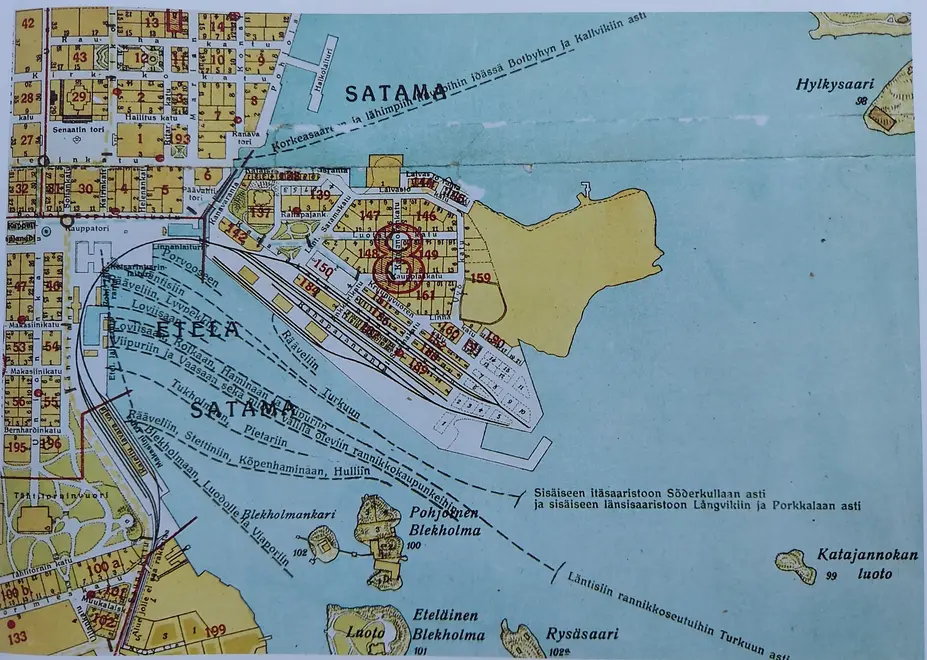
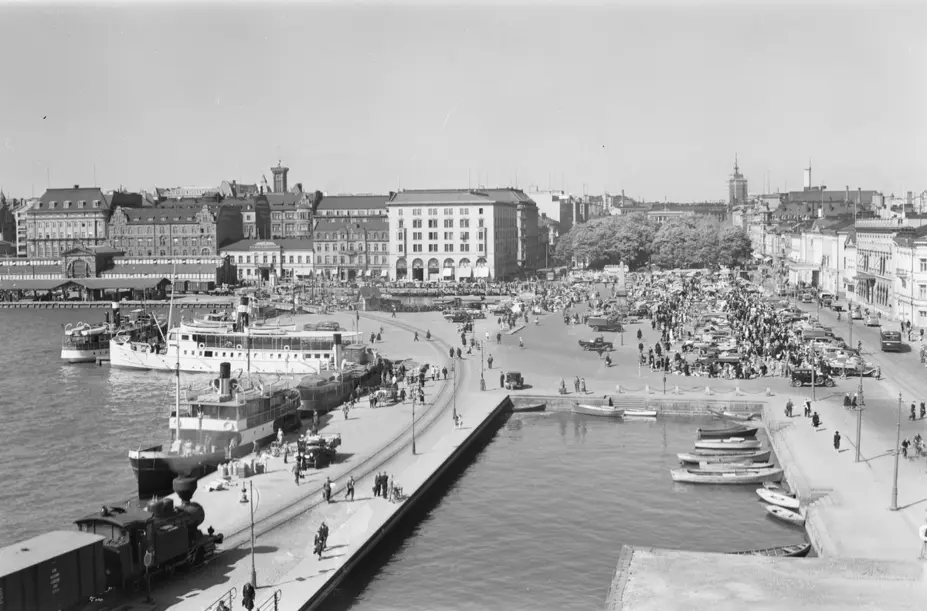
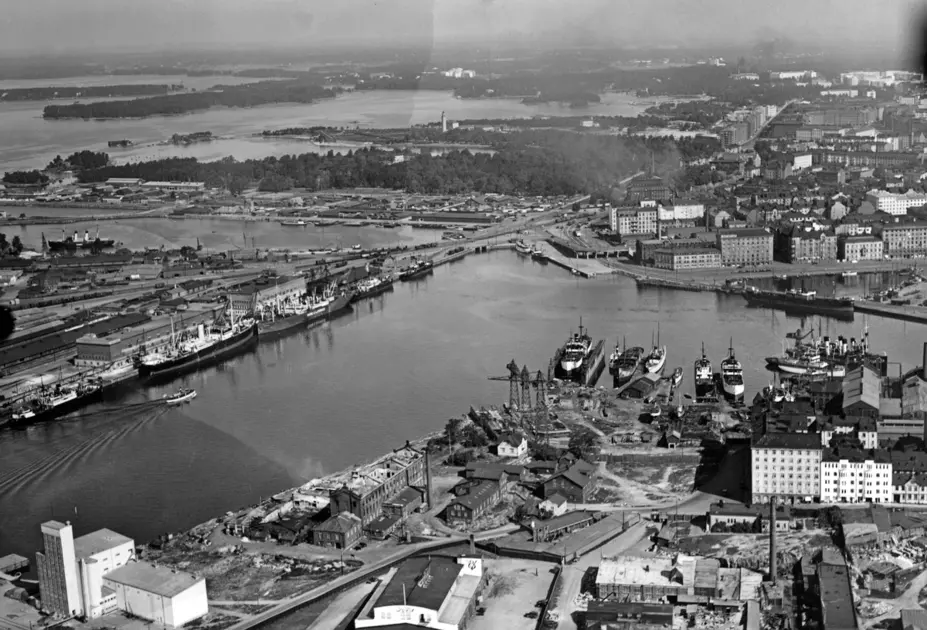
Vironniemi in Helsinki had two main harbours: North Harbour and Kaupunginlahti, i.e. the current South Harbour. For a long time, both were in an almost natural state without any jetties. The North Harbour quay was for used loading and unloading larger vessels. South Harbour was shallower, and more extensive harbour construction was not undertaken until the early 19th century, under the leadership of the City’s Rebuilding Committee, as Helsinki was also to become the country’s centre of commerce. This involved straightening the shorelines by filling in shallow sections, and the objective set was the construction of a jetty from Ullanlinna to Katajanokka.
Harbour basins for small vessels were built near the current Kauppatori. New jetties were also built in North Harbour and Hietalahti. North Harbour and South Harbour were connected with a canal in 1844, transforming Katajanokka from a peninsula into an island. The construction of West Harbour, designed to be suitable for large ships, began in the 1890s. The harbour in Sörnäinen was connected to the railway network back in the 1860s, but the other harbours did not follow suit until the completion of the coastal railway around the city in the late 19th century. At that time, the most berth space for large vessels was at South Harbour (1.5 km), which had become the most important harbour, while Sörnäinen had 554 metres and Hietalahti 185.
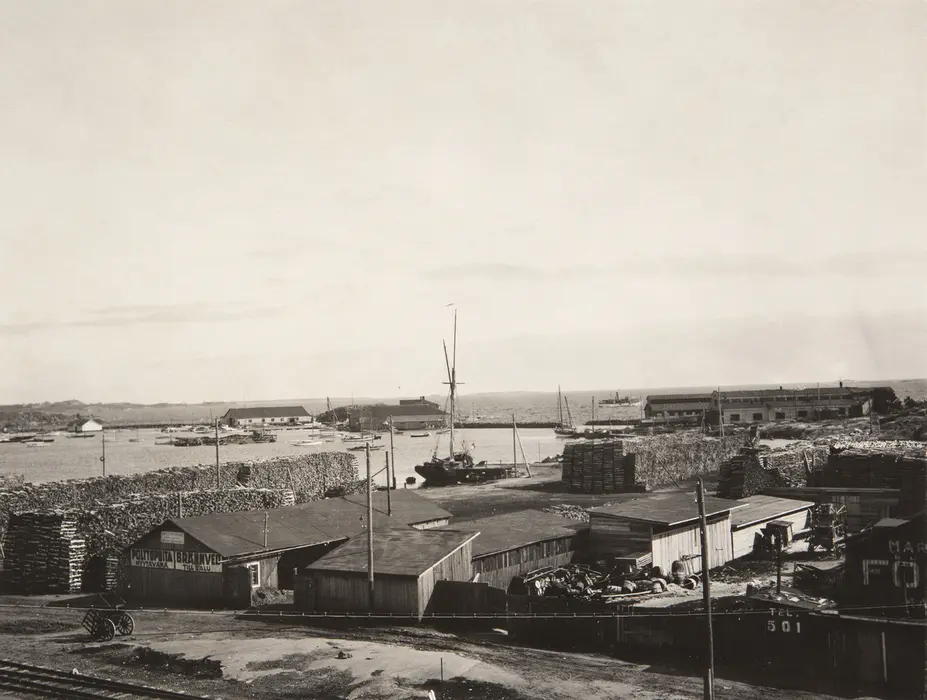
For smaller coastal transport vessels, there were also berths at North Harbour and in Siltavuori. Katajanokka Harbour was being built at the turn of the 19th and 20th century. In 1913, the total length of the quays of the City’s harbours was 5.6 km, and there were also facilities for light traffic in Merisatama and Ruoholahti.
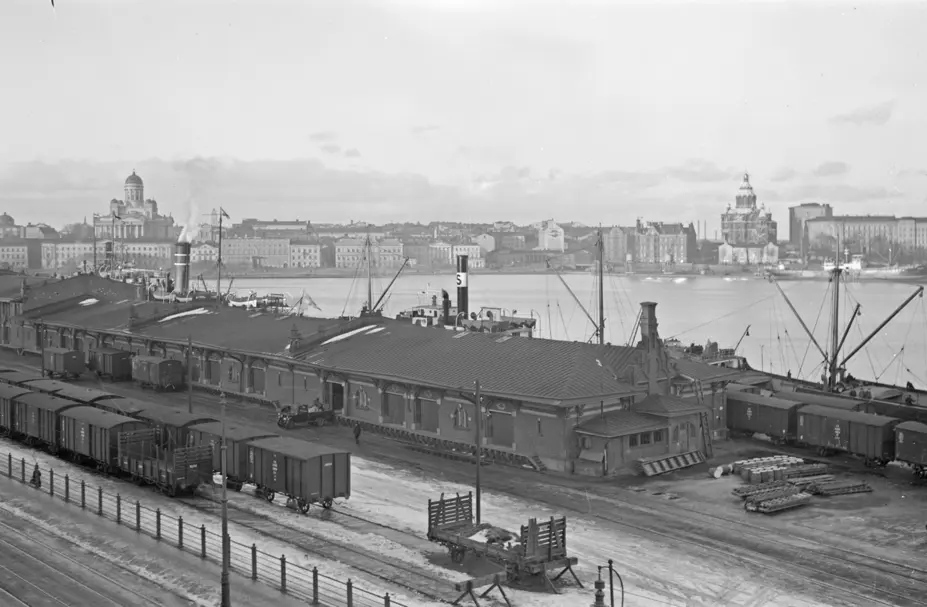
After Finland gained independence, the connections to the east with Russia, which had become the Soviet Union, were cut off and the focus of transport shifted westwards. The construction of the Port of Helsinki had already picked up before the First World War as the development of West Harbour began. In the 1930s, the Herttoniemi oil harbour was expanded to meet the needs of growing oil import operations, and a railway connection was built to the harbour.
Before the Second World War, Helsinki had five major harbour areas: South, North and West Harbour, and the harbours of Sörnäinen and Herttoniemi. South Harbour was the centre of passenger traffic, and regular liner cargo ships operated to and from Katajanokka. West Harbour was divided into Hietalahti and the Saukko coal harbour. At the harbour of Sörnäinen, the City had its own gas and electricity plant quays. North Harbour and the harbour of Siltavuori were intended for small cargo vessels.
The seaport in the south was mainly for pleasure boats. In 1938, Helsinki’s harbours had 7.1 km of quay space, which was roughly half of that of Stockholm or Gothenburg. In 1939, Helsinki was the country’s most important import port with a 54.7% share, but on the export side, Helsinki was only third with a 10.6% share. Nearly half of Helsinki’s import volume consisted of coal and coke.
The era of steamship transport
In the 1830s, sailing ships were joined by steamships, the first of which were paddle steamers. Helsinki’s first steamship, the Lentäjä, operated between the city and Viapori (Suomenlinna) in 1837, and around the same time, regular steamship transport from Turku via Helsinki to St Petersburg began. Helsinki-based shipowners were cautious in their investments in steamships, as it was not until the end of the century that the number of steamships exceeded the number of sailing ships.
Of course, their carrying capacity was already five times that of sailing ships. Helsinki was the country’s main import port, and in 1900, it accounted for 28.2% of imports but only 5.6% of exports. Before the First World War, Helsinki’s industry was dependent on import, as three quarters of its raw materials were imported.
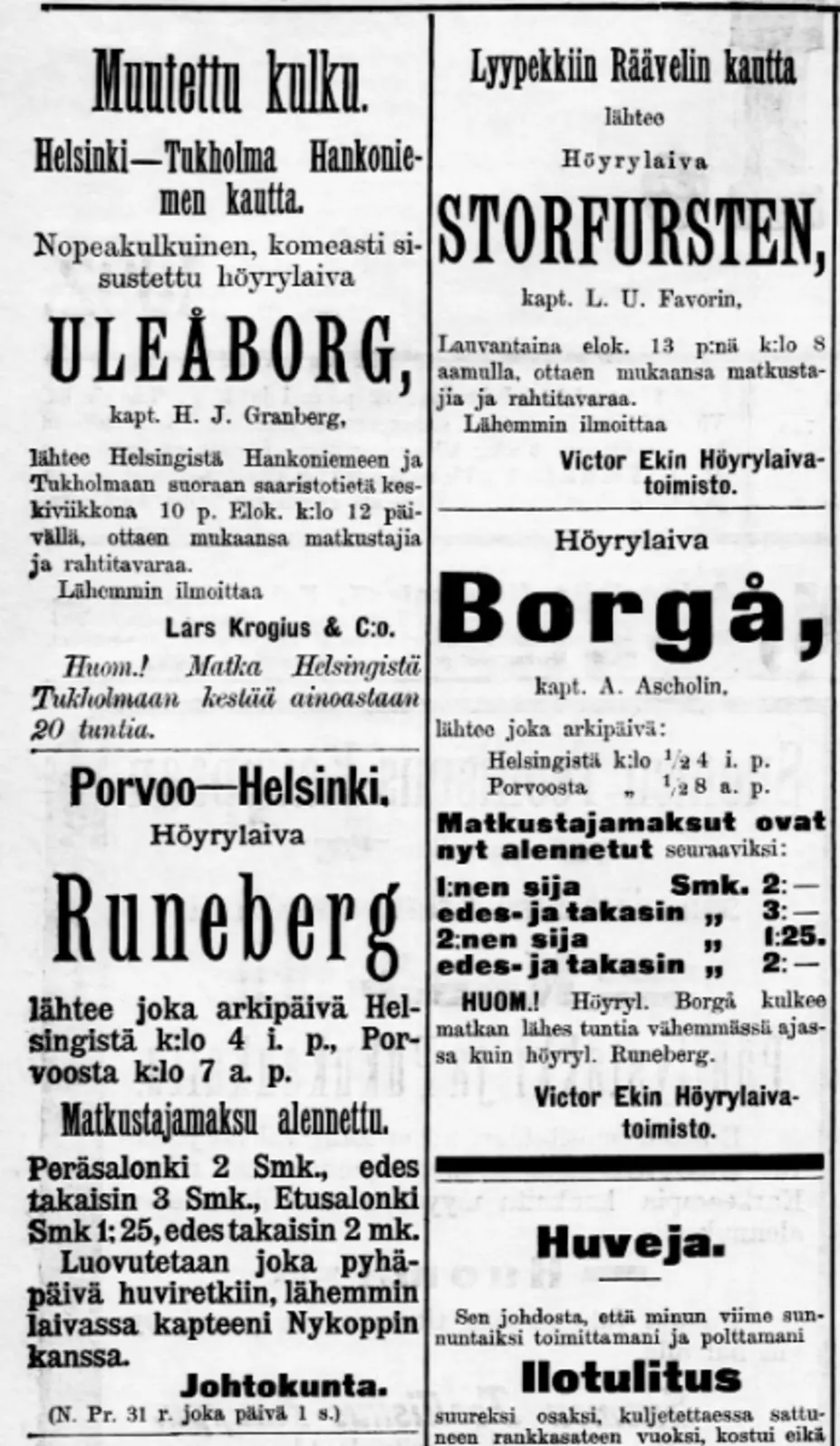
Before the railway network was built, a steamship was the most practical way to travel domestically from one seaside city to another, and of course between cities and towns connected by lakes and rivers.
Before the era of icebreakers, Helsinki’s maritime traffic was blocked by ice every year for six months at worst. The first icebreaker, purchased by the Finnish state in 1890, ended the winter isolation of Finland’s southern coast and kept connections with the outside world open. Enabling wintertime seafaring was important for Finland’s export trade.
In the 19th century and even in the first half of the 20th century, the arrival of a ship in port was an important event that was reported in the newspapers. The papers reported how many passengers the ship had, what cargo it was carrying, what route it had taken and how the voyage had gone. Occasionally, there would be fires, shipwrecks and storms.
-
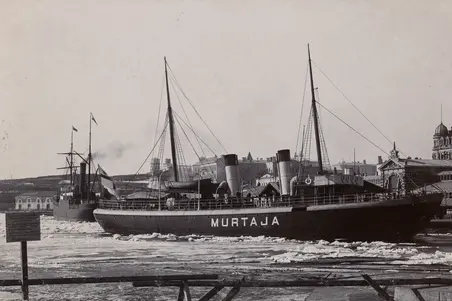
Finland’s first icebreaker, s/s Murtaja, arrived in Helsinki in April 1890. Photo: Helsinki City Museum / Karl Emil Ståhlberg -
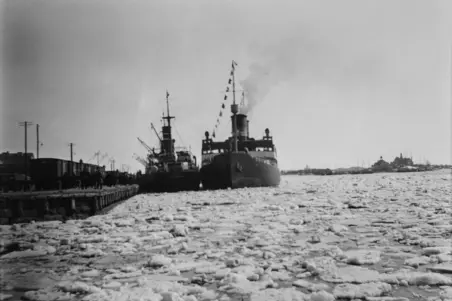
Steamships surrounded by ice at South Harbour. Cranes and a freight train can be seen on the shore. Photo: Helsinki City Museum / Ivan Timiriasew -
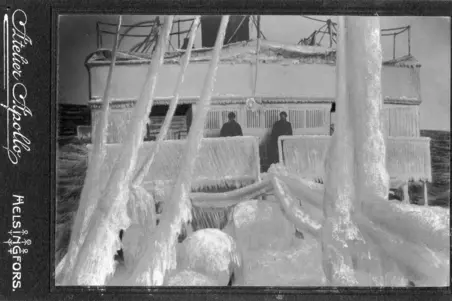
In winter, steamships and icebreakers of yesteryear were put to the test. The postcard depicting the icy steamship Urania was produced in March 1894. Photo: Finnish Heritage Agency / Atelier Apollo


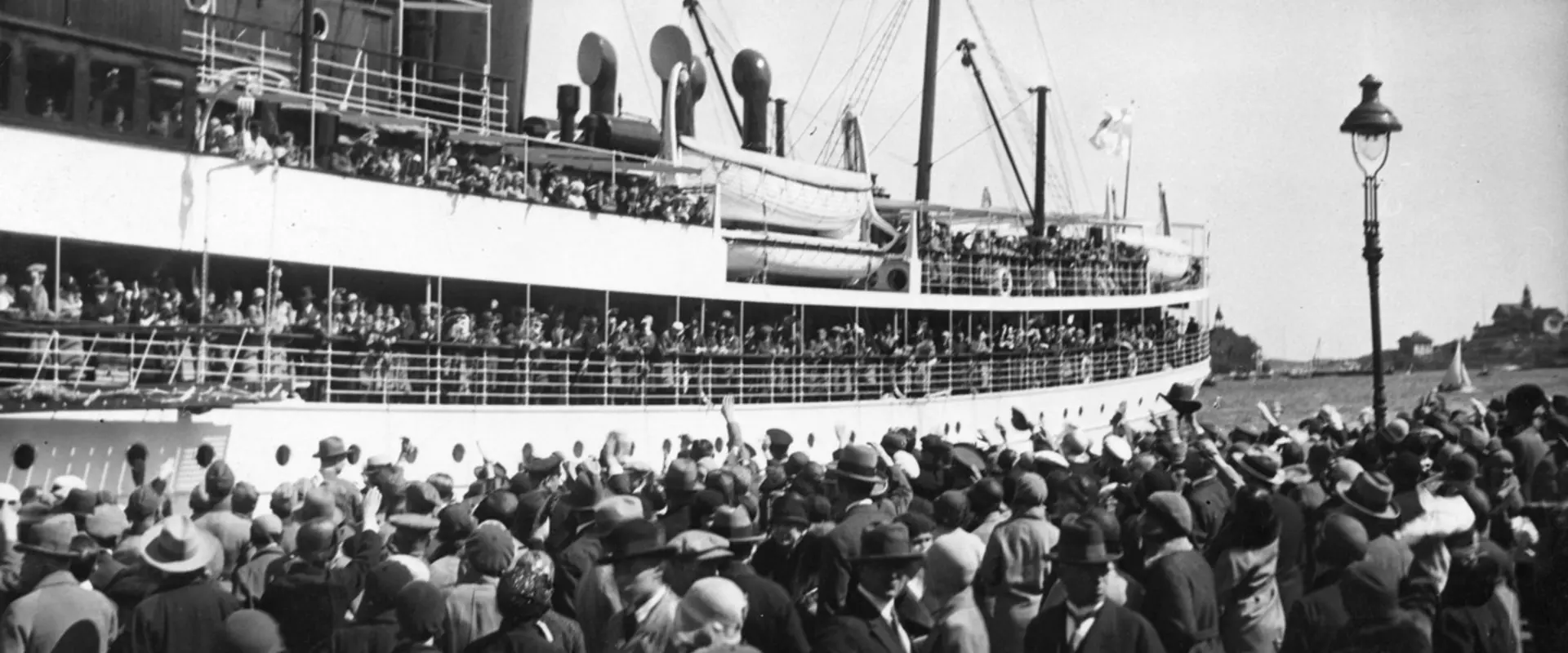
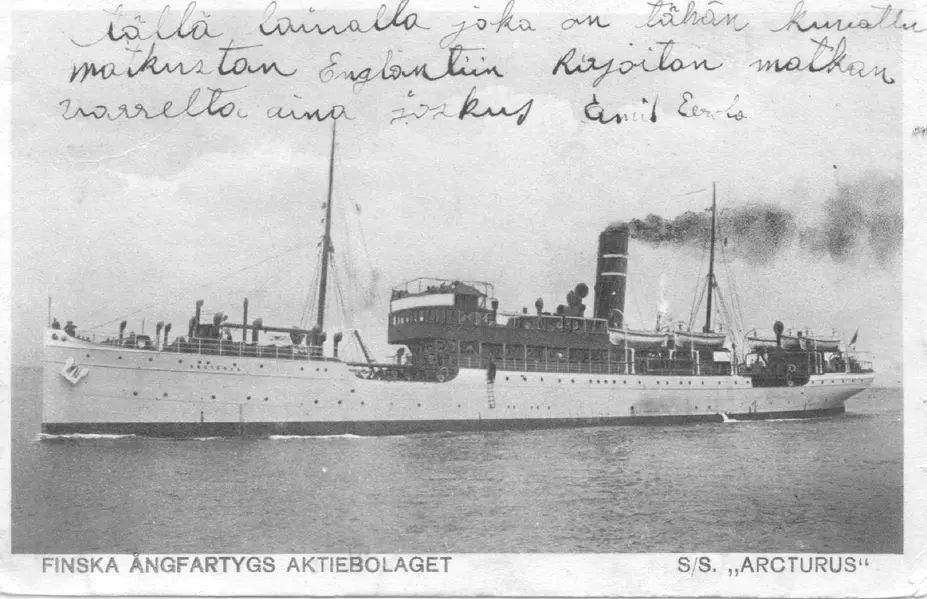
Before the Winter War, Helsinki was quite a busy passenger port. The peak year was 1937, with more than 130,000 passengers arriving and departing. Two thirds of them were foreigners. Passenger traffic was mainly operated by Finland Steamship Company Ltd. As early as the 1930s, luxury cruise ships would arrive in Helsinki for short visits, mostly from the United Kingdom but also from the United States. The largest cruise ships had to drop anchor in front of Katajanokka, from where passengers were transported ashore on smaller vessels.
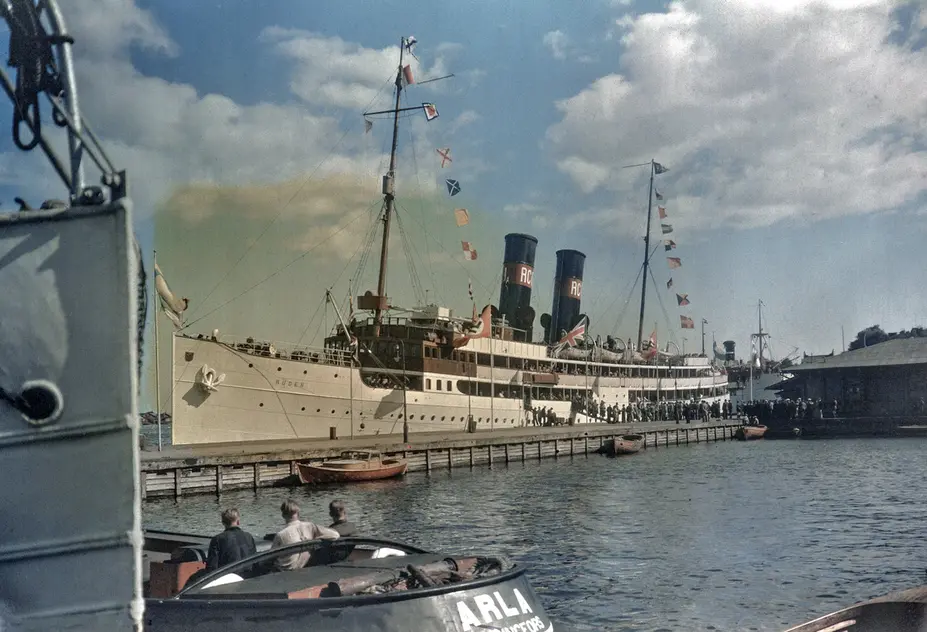
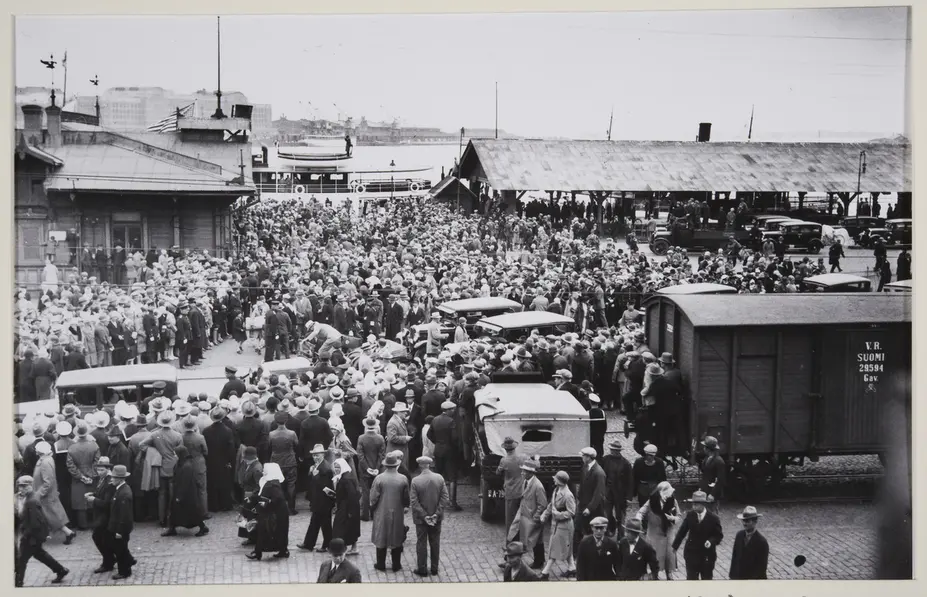
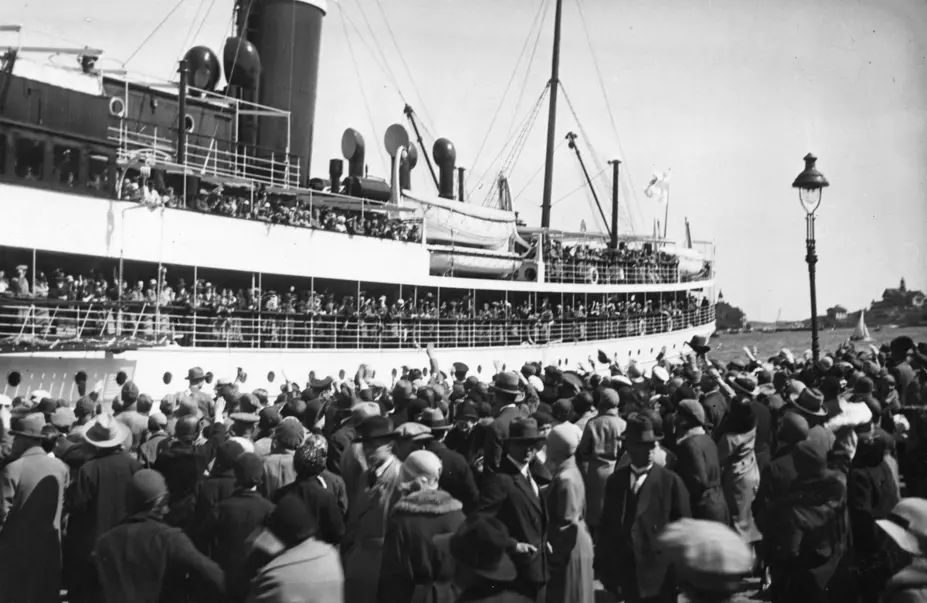
Before the Second World War, the furthest port to which a person could travel by sea from Helsinki was Hull in England. From there they could continue to America, but Copenhagen along the way was also a popular destination. Another popular line was one from Helsinki to Szczecin in Germany (now Poland), from where the traveller could take a train to Lübeck or Berlin. From there they could go to destinations such as Paris or Istanbul, which is what Mika Waltari did back in the day. His 1929 travelogue Yksinäisen miehen juna (‘A Lonely Man’s Train’) became a bestseller at the time. Travelogues were popular reading in newspapers and magazines, and writing them was also a way for a traveller to build up their travel fund.
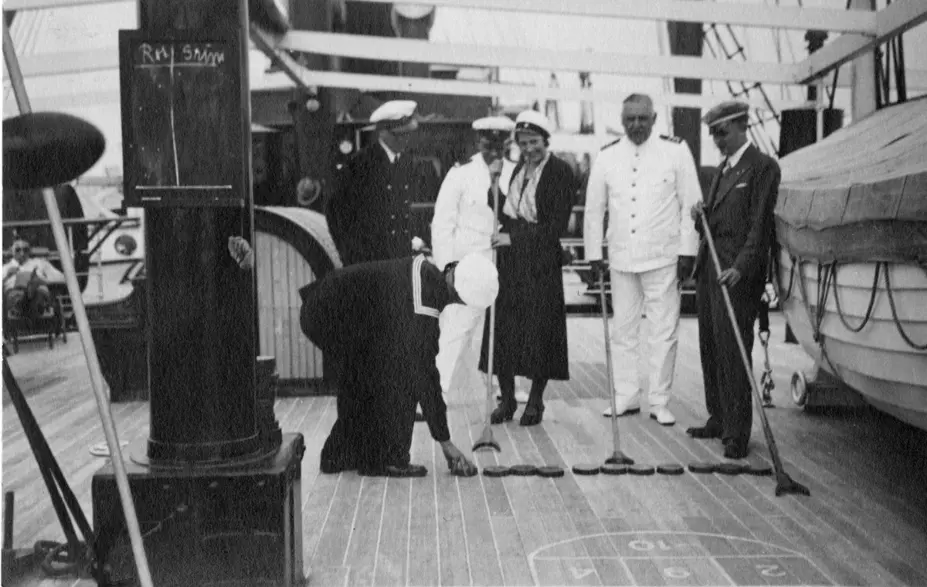
Like trains, steamships had three passenger classes based on price and comfort level. Each class had a designated cabin section, dining room and lounge, and entering the facilities of the other classes was prohibited. Third-class facilities for migrants were sometimes cramped and modest, while second-class facilities were comfortable and first-class facilities luxurious.
-
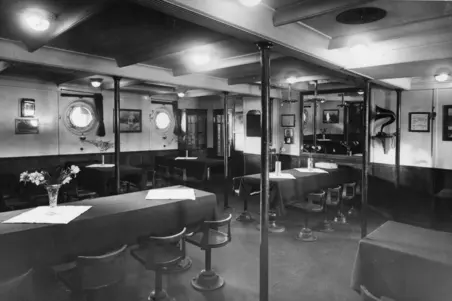
The steamship Oberon's third-class tobacco saloon in the late 1920s. The Oberon, completed in 1925, sank on 19 December 1930. Photo: Finnisg Heritage Agency / Eric Sundström -
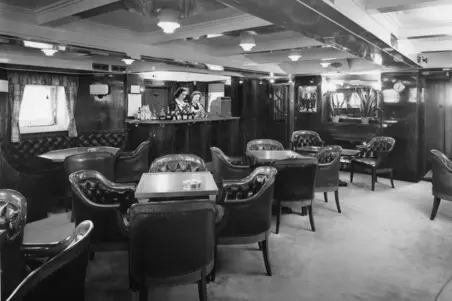
The luxurious feel of the Wellamo II tobacco saloon suggests first class. Finland’s alcohol prohibition did not extend to ships sailing abroad, and so the bar features bottles that one could only get on land for a lot money and through the right connections. The photo is from 1927. Photo: Finnish Heritage Agency -
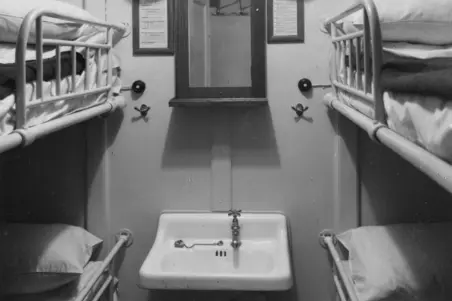
This modest and cramped cabin of the steamship Ilmatar was probably used by passengers travelling in third class. The Ilmatar was in service between 1929 and 1945. It had to be handed over to the Soviet Union as part of war reparations. Photo: National Heritage Agency -
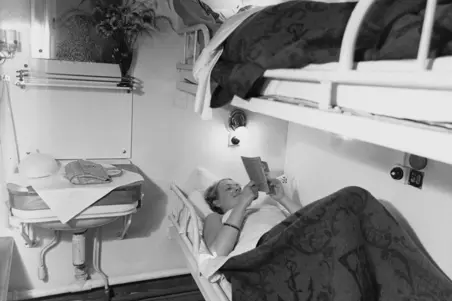
The Aallotar was completed in Denmark in 1937 and had to be handed over to the Soviet Union after the Continuation War. Photo: Finnish Heritage Agency -
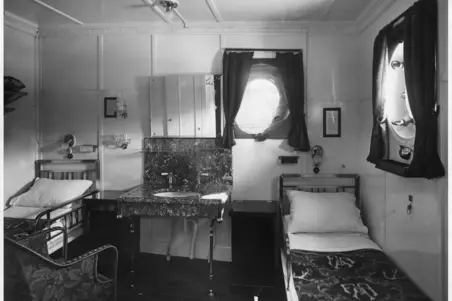
A well-lit first-class cabin of the brand-new steamship Wellamo (1927), featuring a marble sink for a touch of luxury. The Wellamo operated on several different lines and under different names over the decades, until it was scrapped in Katajanokka in 1970. Photo: Finnish Heritage Agency / Eric Sundström


Of course, during wartime, ship transport was suspended. Finland lost 77 different types of seagoing vessels in the Winter and Continuation Wars, and as part of war reparations, it had to surrender 105 vessels – almost all of its best ships – to the Soviet Union.
After the Second World War, ship transport to Hull was not resumed. Instead, people would travel to Leningrad, Riga, Tallinn, Copenhagen, Lübeck and Travemünde in the 1950s. Ship transport from Finland to Stockholm had for a long time been concentrated in Turku, because in the early days, the technical features of ships and the seafaring conditions on the Helsinki–Stockholm route were worse than those on the Turku–Stockholm route. In 1944–1956, Finland was forced to lease the Porkkala area to the Soviet Union, which contributed to the poor conditions on the sea route between Helsinki and Stockholm.
The era of steamships ended in the 1960s. Not all vessels were scrapped, but some, such as the Bore built in 1960, were converted to run on diesel. The Bore was converted into m/s Kristina Regina and operated as a cruise ship from 1987 to 2010, before being converted into a hostel, restaurant and museum ship.
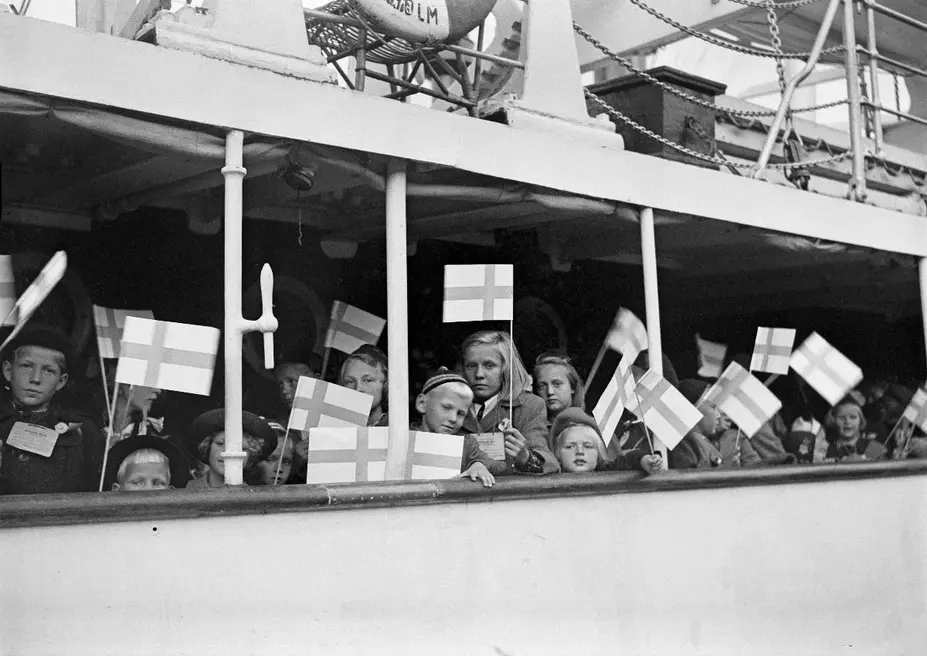
Passenger transport picks up
For the 1952 Olympic Games, South Harbour was renovated and the Olympia Terminal was built there. New passenger ships were also ordered in preparation for the Olympics, although most of them were not completed until after the games. Despite its cramped conditions, the Olympia Terminal also served cargo traffic.
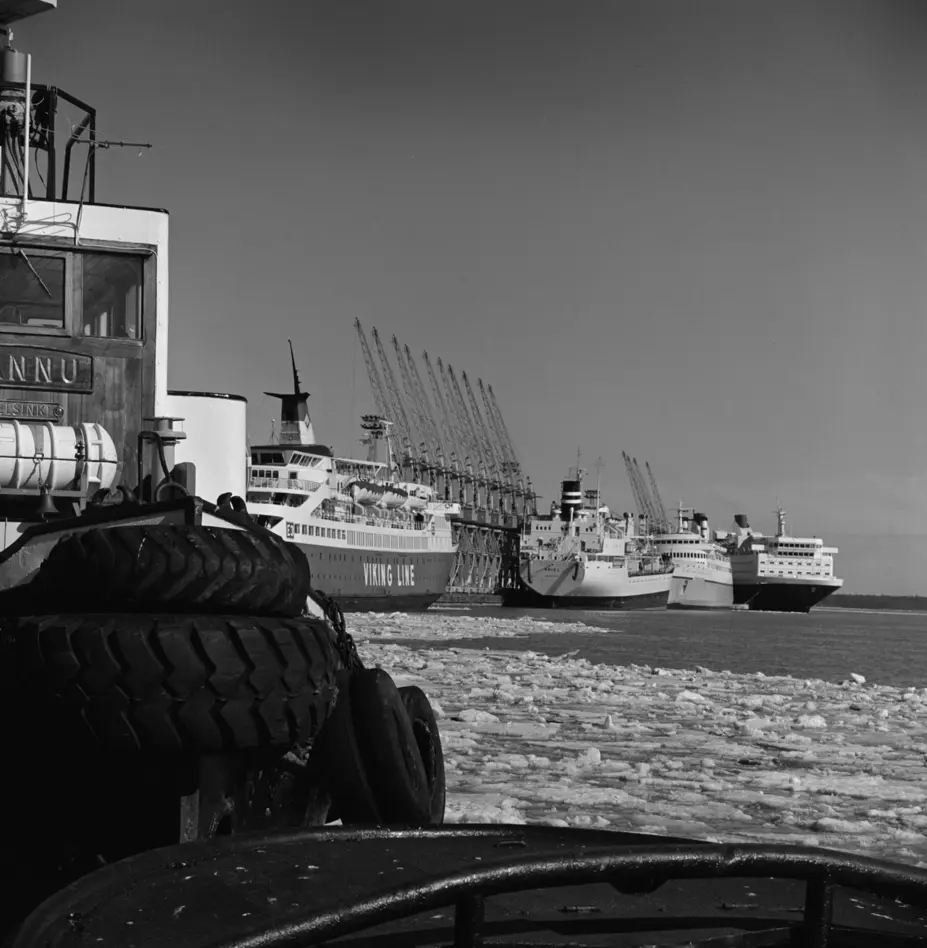
Ship tourism increased, and in 1957, Siljavarustamo Oy Siljarederiet Ab was founded, followed two years later by Rederiaktiebolaget Vikinglinjen, known today as Tallink-Silja and Viking Line respectively.
Before car ferries, cars and other cargo were lifted onto ships with cranes. The first car ferry to depart from Helsinki was the Hansa Express, which started operating between Helsinki and Travemünde in 1964.
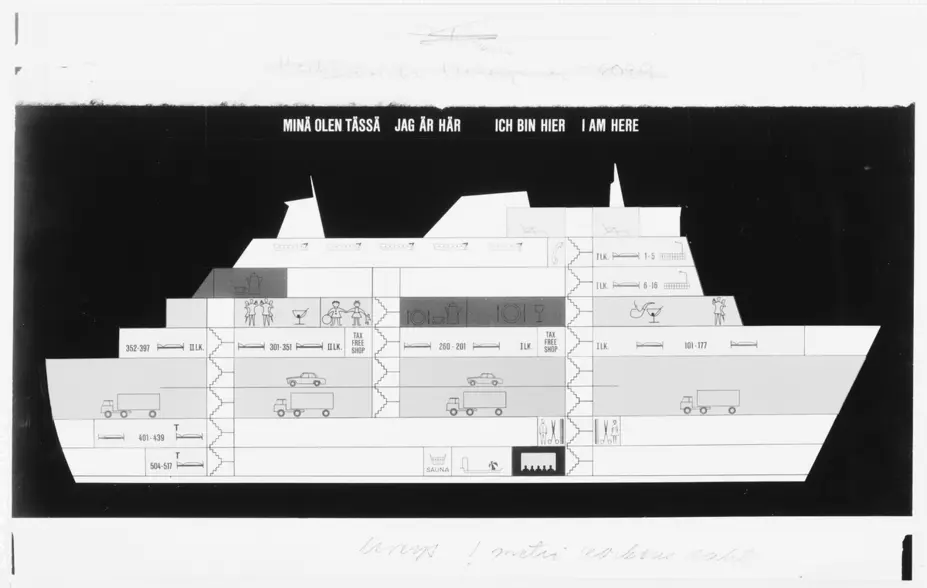
The motor ship Finlandia was the fastest and largest passenger ferry on the Baltic Sea upon its completion in 1967. The vessel operated on the Helsinki–Copenhagen–Travemünde route and featured a barbershop, a hair salon, a cinema, a sauna section and a nightclub. The Finlandia took travel to a whole new level, as its predecessors on the route were over 40 years old.
Viking Line started its service to Stockholm in 1974 from Katajanokka. As ship sizes increased, the Kustaanmiekka strait was widened and the route was straightened, enabling the new 200-metre Finnjet to start operating from Katajanokka to Travemünde in 1977.
Cargo transport grows too big for the city centre
The development of the harbour of Sörnäinen began in the 1960s, and the harbour became not only a cargo harbour but also a passenger ferry harbour. Measured in tonnes, Helsinki was the country’s main import port until the 1960s, but after that, the oil harbours of Naantali and Kilpilahti surpassed it. In terms of the value of goods, Helsinki accounted for almost half of Finland’s import at that time.
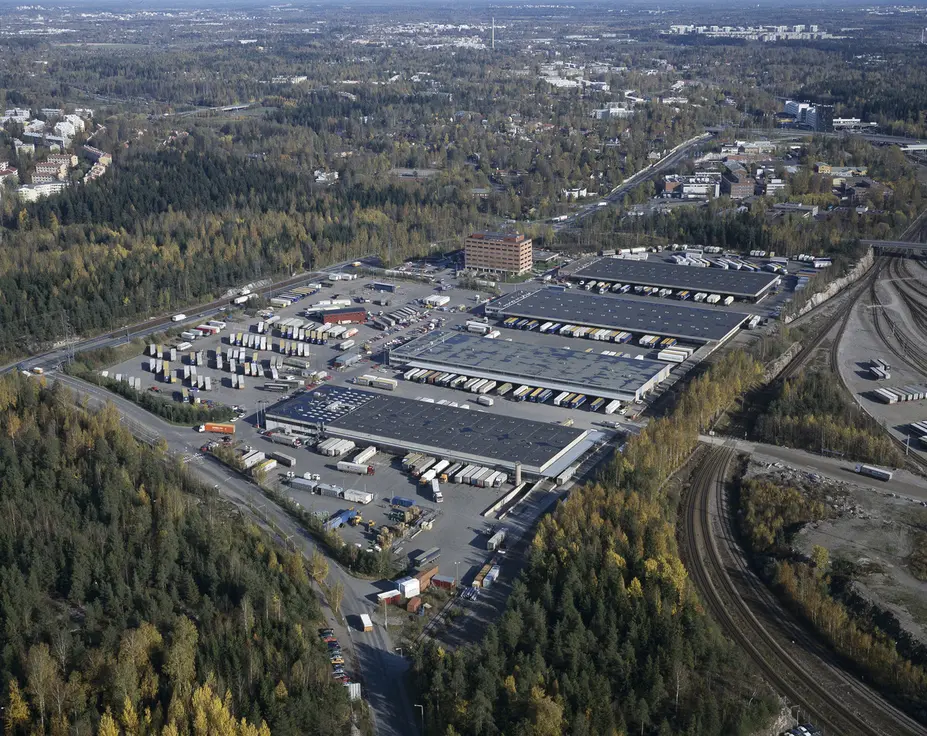
In the 1970s, it was West Harbour’s turn to be developed to accommodate new modes of cargo transport. Cargo vessels became ro-ro ships and goods were transported in containers. (Ro-ro or ‘roll-on/roll-off’ ships are vessels that are loaded from the bow or the stern rather than from above with a crane.) West Harbour also received a new ocean quay with stern berths and a container terminal. In 1970, the harbours of Helsinki had almost 9 km of quay space. In the 1970s, cargo traffic at South Harbour was discontinued and replaced with car ferries. To support the growth of harbour activities, a new land transport centre was built in Metsälä, north of the Pasila trainyard, in the 1970s. (It was moved to Vantaa in 2015 and the Postipuisto residential area was planned for the site.)
The central location of Katajanokka and the cramped harbour facilities caused problems, particularly for the onward transport of goods, and so cargo traffic was moved away from Katajanokka in the early 1980s. Freight traffic moved from the harbour of Sörnäinen and West Harbour to Vuosaari in 2008, when a new cargo harbour was completed there – the planning of which had started in the 1970s. The areas vacated by the cargo harbours have become new residential areas: Jätkäsaari and Kalasatama.
Sources and further information
Arkistojen portti: Siirtolaisuus Suomesta ulkomaille(Link leads to external service)
Björkqvist, Heimer: Merenkulku ja liikenne. Teoksessa Helsingin kaupungin historia V: 3. Helsinki 1967.
Erävuori, Jukka: Helsingin satamahallinnon historia. Helsingin kaupunki 1981.
Joutsi, Juha: Herttoniemen öljysataman historiaa.(Link leads to external service)
Laiva saapui Helsinkiin. Helsingin matkustajalaivaliikenteen kehitys 1830-luvulta nykypäivään. Toim. Riitta Blomgren, Peter Raudsepp. Helsinki 1993.

